The short answer. Pause before adding another layer. A touch-up can make some heavy-looking areas less noticeable, but it can also lift coverage. Check whether you are dealing with buildup, visible flakes, or a base that has broken into gaps. Start with one small area and assess it before doing more. There is no guaranteed rescue for every foundation.
Choose the smallest useful touch-up
| What you see | Smallest useful step | What to avoid |
|---|---|---|
| Heavy-looking area | Try a gentle press with a clean makeup sponge on that spot only | Adding more foundation or repeatedly rubbing the area |
| Shiny area | Gently blot, then reassess whether coverage is actually missing | Adding product before checking whether anything is missing |
| Visible flakes or uncomfortable skin | Stop working more product into the area | Scrubbing the area as a makeup fix |
The press-and-blot options come from a cosmetics manufacturer's touch-up suggestions, cited as practical makeup guidance rather than a Baegayul trial. Use a clean tool, work on one area, and compare before adding anything else. Source: Revlon, how to fix cakey makeup.
Did the small test help?
Look at the area under the same lighting. If the result is acceptable, stop rather than continuing to build coverage. If the touch-up lifts the base or makes its texture more visible, stop repeating it. Resetting the affected area may be preferable to building it thicker; you may sometimes need to remove makeup from that area. If the skin underneath feels sore, stings or is peeling, leave it alone and treat that as a skin question, not a makeup one.
Keep sun protection separate from the cosmetic result
An improved-looking base does not establish that the sunscreen film is intact. Removal, rubbing or touch-ups cannot be treated as proof of continued protection. Follow the sunscreen's label, including reapplication. Never dilute sunscreen with serum or use less of it to improve makeup appearance. Source: American Academy of Dermatology, how to apply sunscreen.
Save one useful note for tomorrow
- Where the problem appeared (for example, sides of the nose or under the eyes)
- Roughly when it appeared (right away or after a few hours)
- What you did last before it appeared (added powder, wiped, wore glasses)
- Whether the small touch-up improved, worsened or did not change the finish
These notes help you decide what, if anything, to test tomorrow. You do not need to share personal skin information with anyone or buy anything to use them.
Is serum a touch-up product?
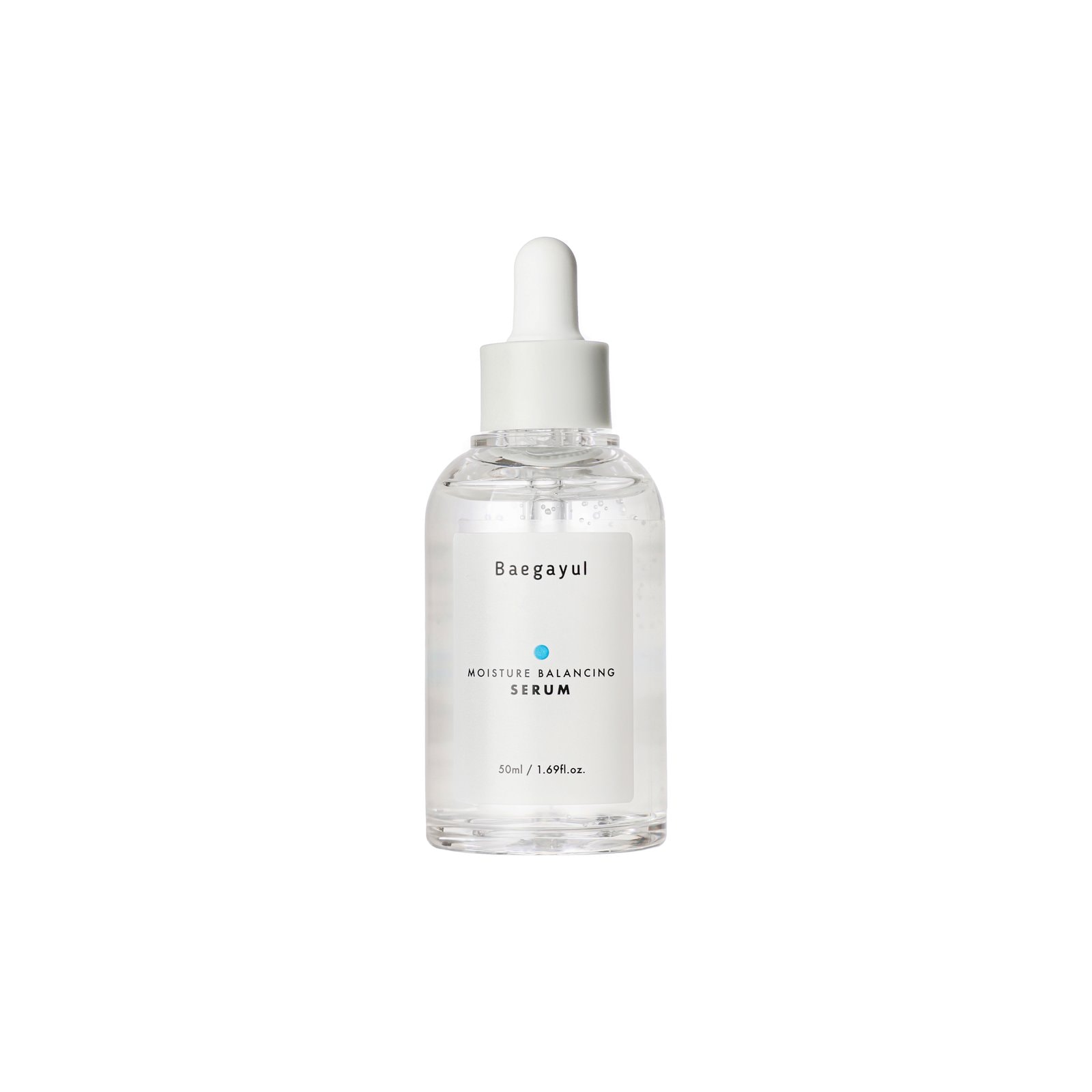
This guide does not recommend adding Baegayul serum over an already-failing base. Its role is skincare prep, not demonstrated repair of applied makeup. If you want optional lightweight hydration in a future morning routine, see the product-fit module below. Whether to add one is your choice, and no purchase is needed to finish this guide.
Sources and evidence note
This page is sourced editorial guidance. No Baegayul makeup-wear trial has been performed for it, and the observation steps above are a suggested method, not completed research. Sunscreen stays at its labeled use and prescribed treatments stay as your clinician directed.
- Revlon, how to fix cakey makeup A cosmetics manufacturer's touch-up suggestions, cited for the gentle press and blot options only. Not a clinical source and not evidence about any Baegayul product.
- American Academy of Dermatology, how to apply sunscreen Public dermatology guidance on sunscreen amount and reapplication. Follow your product label; a makeup touch-up is not a sunscreen check.
Want to understand the pattern first? Why does my foundation look cakey even when my skin is oily?
Did it look fine at first, then change? Why does my foundation separate after a few hours?
Crumbs while applying skincare or makeup? Why does my makeup pill over skincare?
This article is intended for general education about skincare and cosmetic ingredients. It is not medical advice and does not diagnose or treat any condition. If a concern persists or worsens, please consult a licensed dermatologist.