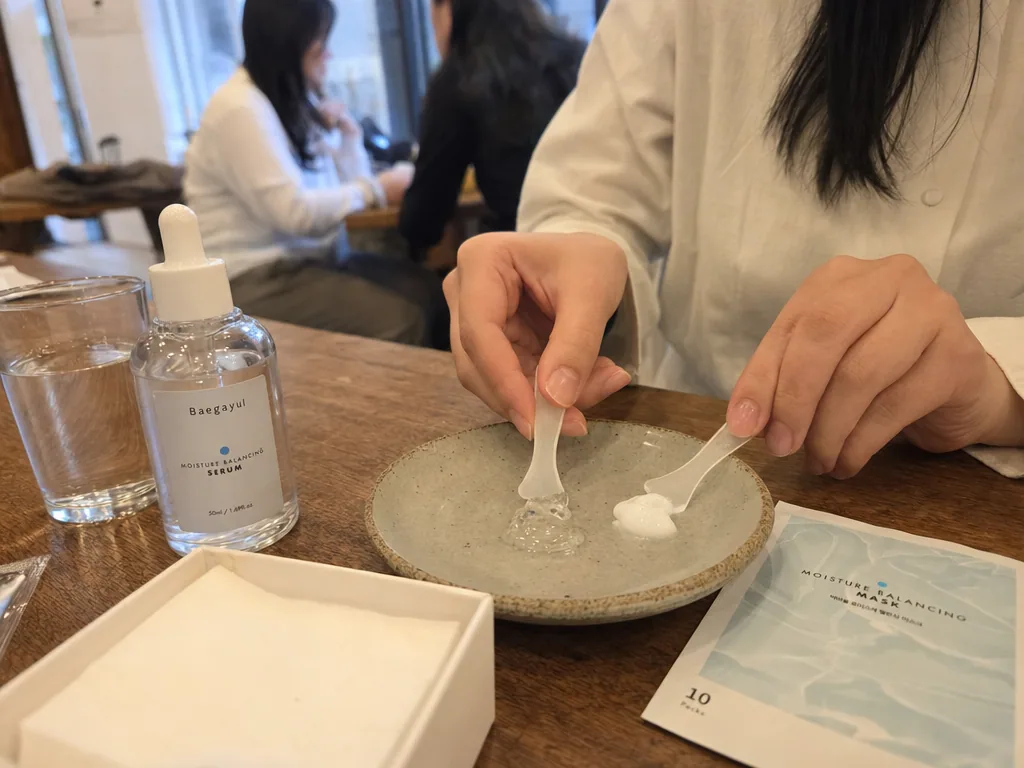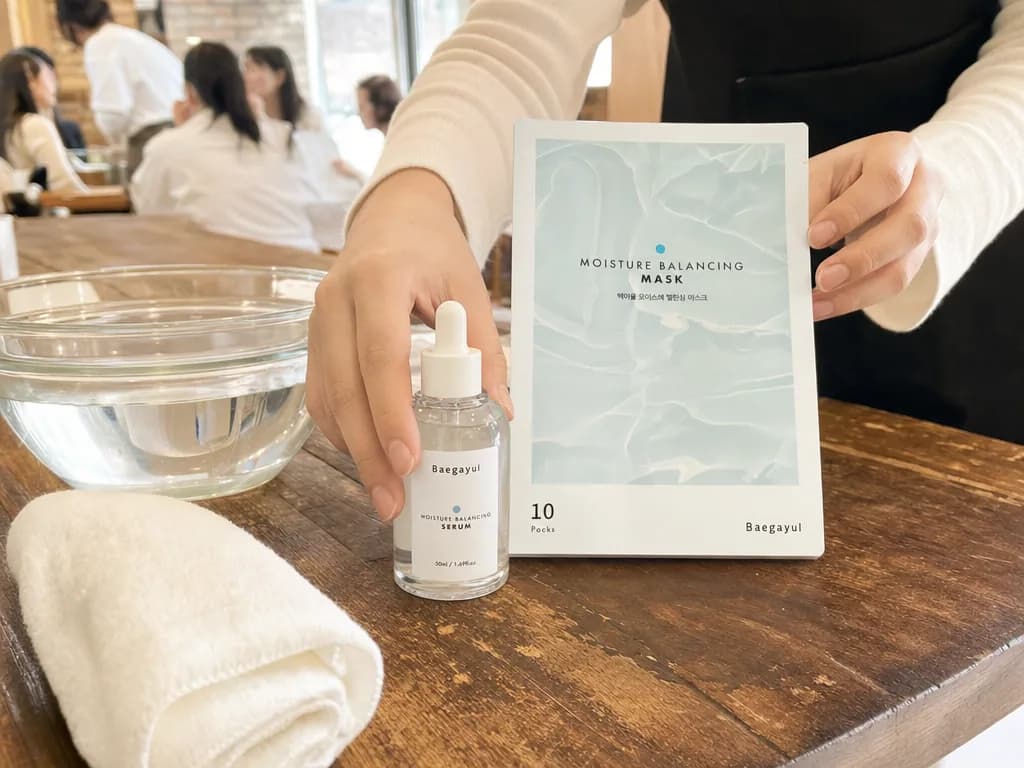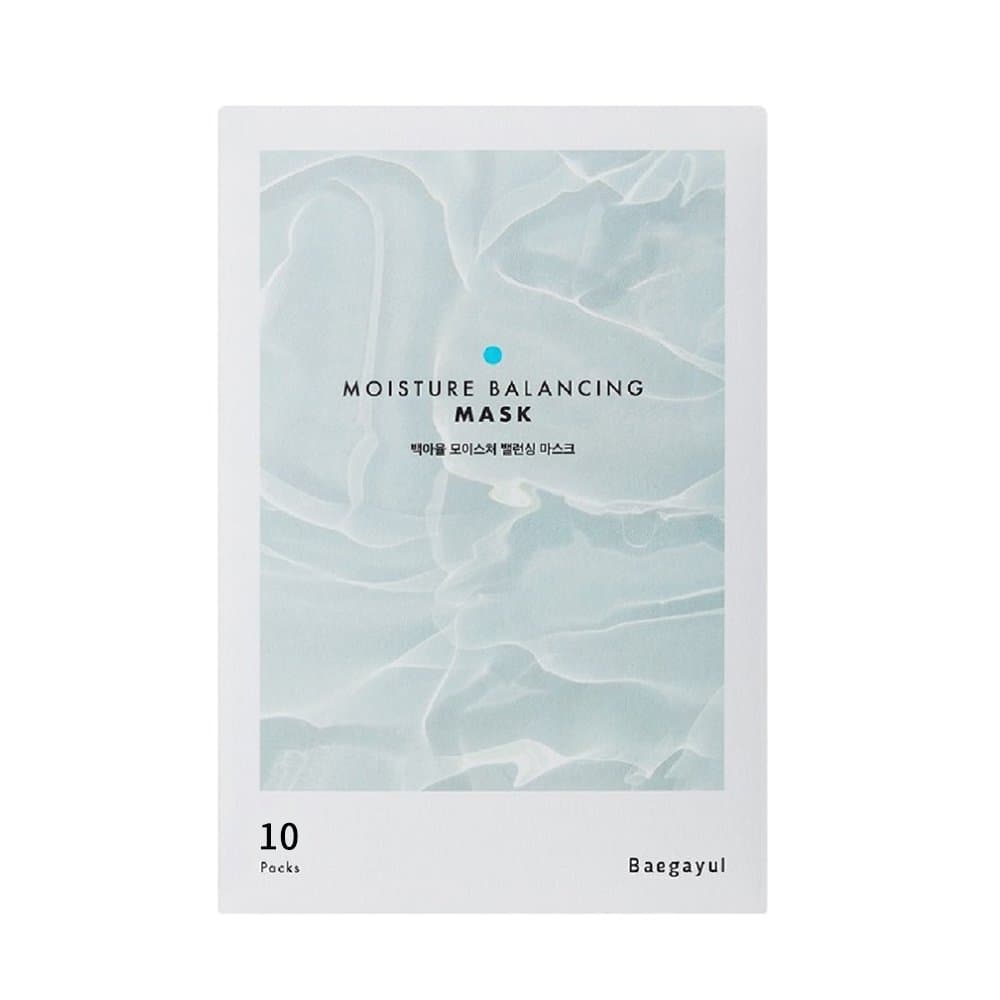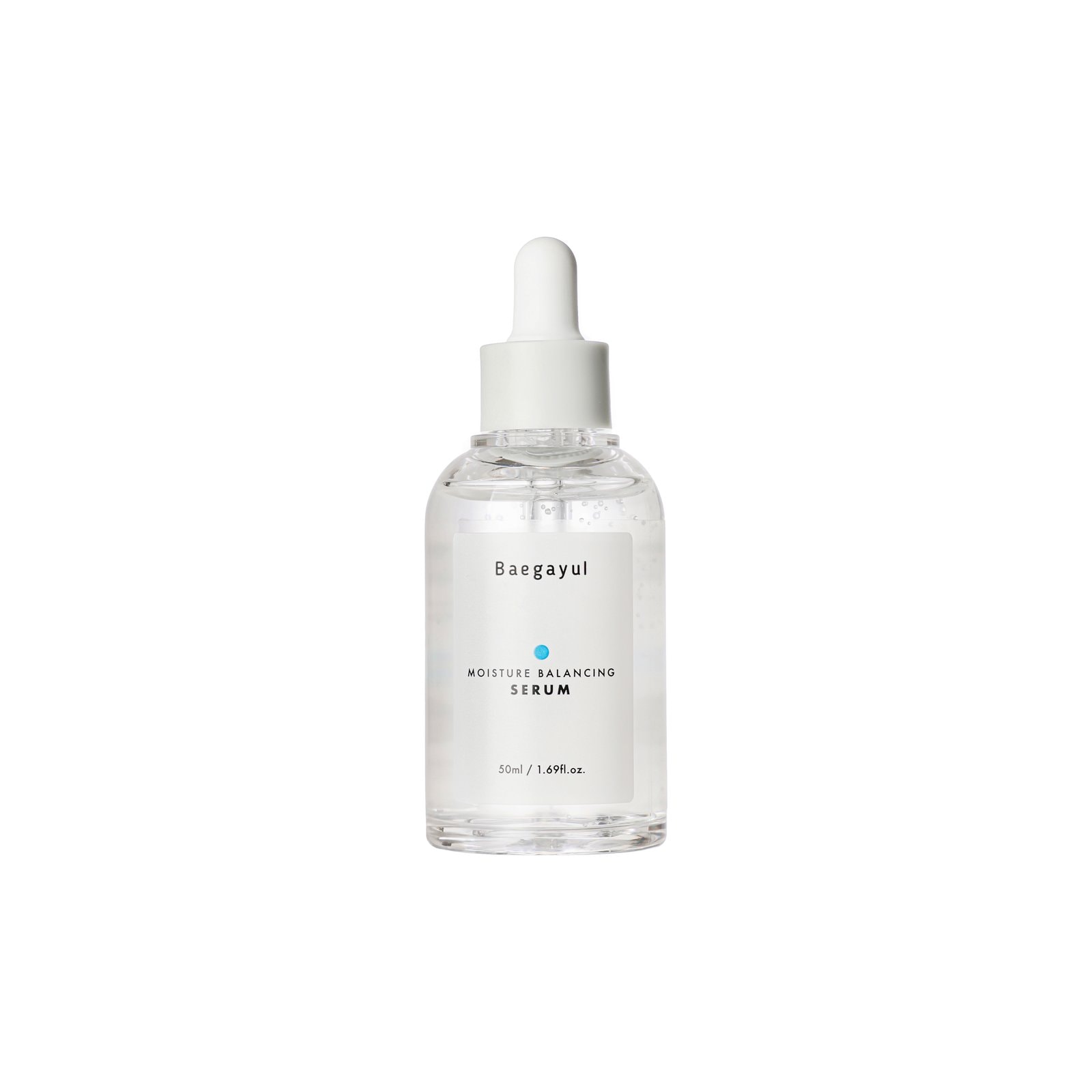
The short answer. Stickiness is a sensory property of the whole formula and how you layer it, not a signal that hyaluronic acid is working or failing. Humectants, thickeners, the amount you apply, and how many layers sit on top all shape the finish. A tacky feel is a texture note to adjust, not a measure of hydration.
Find the cause with one change
Most tack has one of four everyday causes. Change one thing for a few days, keep everything else the same, and read the result before changing anything else.
| Likely experience | One-change test | What the result means |
|---|---|---|
| Too much product | Use noticeably less of the serum for three nights | If the tack fades, the amount was the cause. The serum is fine at a smaller dose. |
| Several tacky layers | Drop to one hydrating layer under your moisturizer | If the finish clears up, the stack was the cause, not any single product. |
| No dry-down | Wait a short moment before the next step | If the tack settles on its own, the layers were being applied before the serum set. |
| Formula still feels tacky alone | Apply the serum by itself on clean skin and wait | If it stays sticky on its own, the texture is simply not for you. That is a preference, not a failure. |
A restrained way to layer a hydrating serum
Start with less. Use a smaller amount than feels generous. Hydrating serums are thin by design, and a little spreads further than it looks. We do not prescribe a drop count because faces, hands, and droppers differ.
Apply one hydrating layer. One water-based hydrating step is enough for most routines. Some people like to apply on slightly damp skin, but it is a preference, not a rule, and it is not required for the serum to feel comfortable.
Allow a brief dry-down. Give the serum a short moment to set before the next product. Most of the film-like feel people describe comes from stacking the next layer too early.
Add moisturizer. Finish with a moisturizer that matches how your skin feels: a light gel or lotion for skin that runs shiny, a richer cream for skin that feels rough as well as tight.
Change one variable at a time. If you adjust amount, layers, and timing all in the same week, you cannot tell which change helped. Keep the routine steady and change one thing, then wait a few days.
Tack under makeup turning into little flakes? Why does my makeup pill over skincare?
What people actually mean by a good serum texture
Across the customer reviews we publish, the words that come up most for a hydrating serum are lightweight, non-greasy, non-sticky, quick to layer, and easy under makeup. These are directional customer language about feel, not clinical evidence about performance. One Amazon US reviewer wrote that the serum "leaves your skin so soft, never greasy". A Korean store reviewer wrote that "it absorbs cleanly without stickiness or excess oil", and another that they "apply the serum several times over, never heavy, never sticky". Another store reviewer noted that "makeup applies well in the morning".
What to expect from the Moisture Balancing Serum
Descriptions of the texture vary. Some reviewers call it watery, one described "a bouncy, fluid texture", and a Korean store reviewer called it "neither watery nor gloopy". Not everyone loves it. One Korean reviewer wrote that it has "a thin, watery texture", that hydration felt lacking when used alone, and that "applying a lot makes it sticky". We keep those objections visible because they are useful: they describe exactly the too-much-product and no-dry-down rows in the table above. Reviews are individual experiences and results vary.
Why we publish the objections
Baegayul's founder, Dr. Jo Seok-yong, has described how the brand relies on objective, unsparing review feedback rather than internal conviction. In an interview with the Korean review platform Hwahae, he explained that brands easily fall into confirmation bias, that the company chose Hwahae because its users give candid feedback, and that it built surveys around the topics customers actually mention instead of the strengths the brand wanted to claim. The same idea applies to texture: a repeatable one-change test and honest feedback tell you more than any label promise. Read the interview at business.hwahae.co.kr (linked in the sources below).
What the evidence supports
A 2021 rheology paper studied model cosmetic emulsions and found that the stringiness of an emulsion depends on the molecular weight of the hyaluronic acid used and on how fast the product is stretched. That study is about model emulsions in a laboratory, and it says nothing about our formula or about how any product will feel on your skin; we do not know or claim a molecular weight for the hyaluronic acid in our serum from it. A 2023 review of topical hyaluronic acid describes it as a widely used, well tolerated cosmetic humectant. Neither source makes stickiness a measure of how well a product hydrates.
- Stringiness of hyaluronic acid emulsions, 2021 Model emulsions only; not a study of any Baegayul product.
- Topical hyaluronic acid evidence review, 2023
- Hwahae interview with founder Jo Seok-yong on review-led development In Korean.
Related reading: Hydration and moisture are not the same thing
Also useful: Oily but dehydrated? The Korean term is soobooji.
This article is intended for general education about skincare and cosmetic ingredients. It is not medical advice and does not diagnose or treat any condition. If a concern persists or worsens, please consult a licensed dermatologist.