The short answer. Fragrance-free and unscented are not interchangeable shopping shortcuts. The FDA explains that an unscented cosmetic may contain fragrance added to mask other ingredients. If avoiding fragrance matters to you, check the claim and ingredient list on the exact product, rather than judging it by smell.
What do the label terms actually tell you?
| Label wording | How to use it | What it does not establish |
|---|---|---|
| Fragrance-free | A useful starting filter when you want to avoid fragrance; still read the current ingredients. | That every ingredient will suit your skin. |
| Unscented | The finished product may have little noticeable smell. | That no fragrance ingredient was used. |
| Hypoallergenic | Ask what the manufacturer means and what evidence supports its claim. | An FDA-defined guarantee against allergic reactions. |
| Natural or botanical | Describes an ingredient's source, not your personal tolerance. | That fragrance-related ingredients are absent. |
FDA guidance says the term hypoallergenic has no federal standard or definition for cosmetics. Fragrance ingredients can also appear under the collective name Fragrance, so a short ingredient list does not necessarily identify every scent component. If you already know an ingredient you must avoid, use the advice from your clinician and ask the manufacturer about an unclear label.
Does fragrance-free mean a product cannot irritate skin?
No. Fragrance is only one possible source of a reaction. The AAD cautions that unscented and botanical products can still include fragrance-related ingredients. A label cannot diagnose why skin is red or uncomfortable, and a product you tolerate does not need to be discarded simply because someone else avoids its ingredients.
A three-check shopping note
Check the exact version. Match the product name, market and current ingredient list. A retailer's older description is not a substitute for the packaging you receive.
Separate the questions. First ask whether fragrance is present. Then ask whether the formula fits your preferences and any ingredient-avoidance guidance you have been given. Those are different decisions.
Keep the evidence. Save the product link and date you checked it. If two ingredient lists disagree, resolve that discrepancy before using either as a comparison.
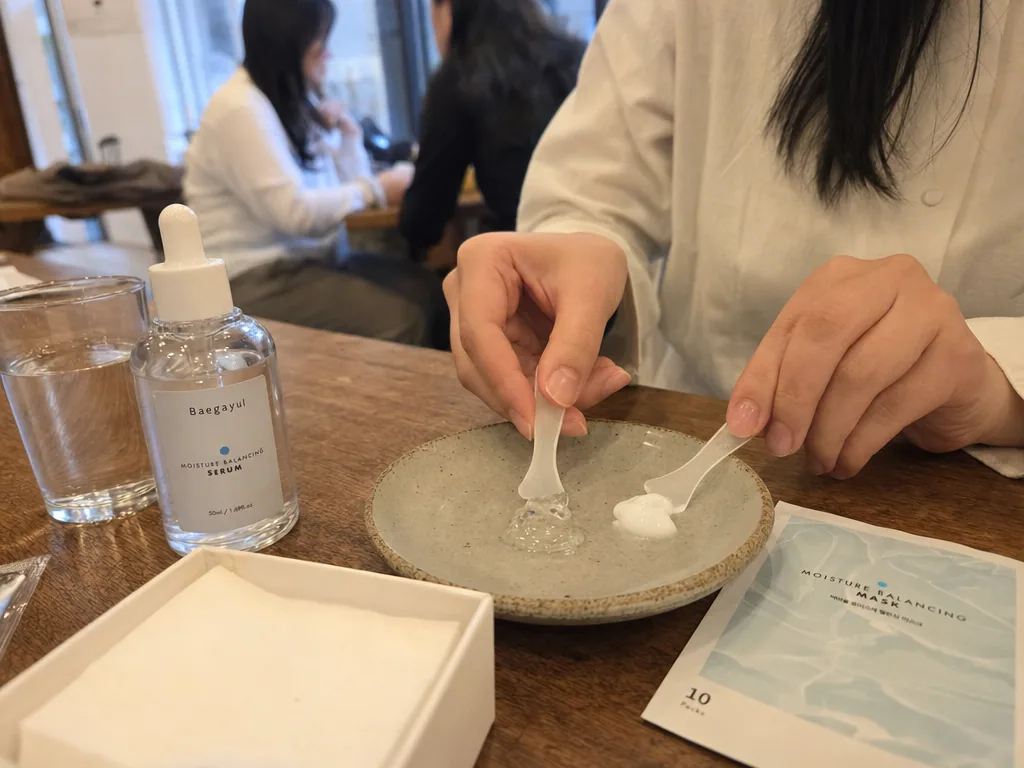
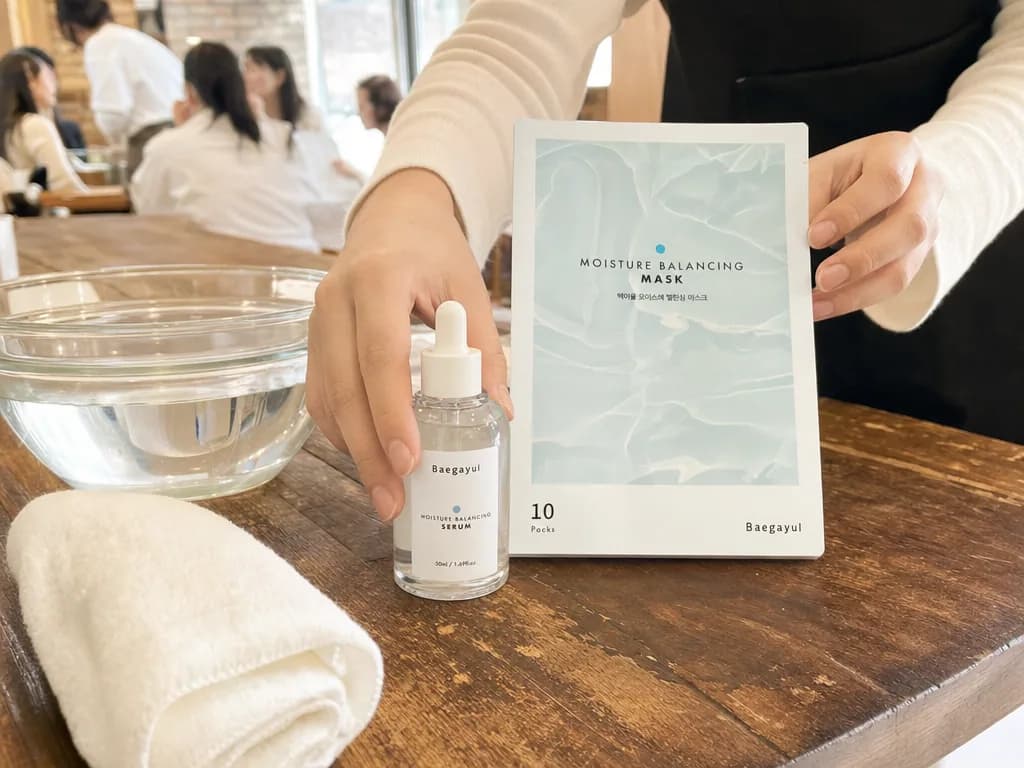
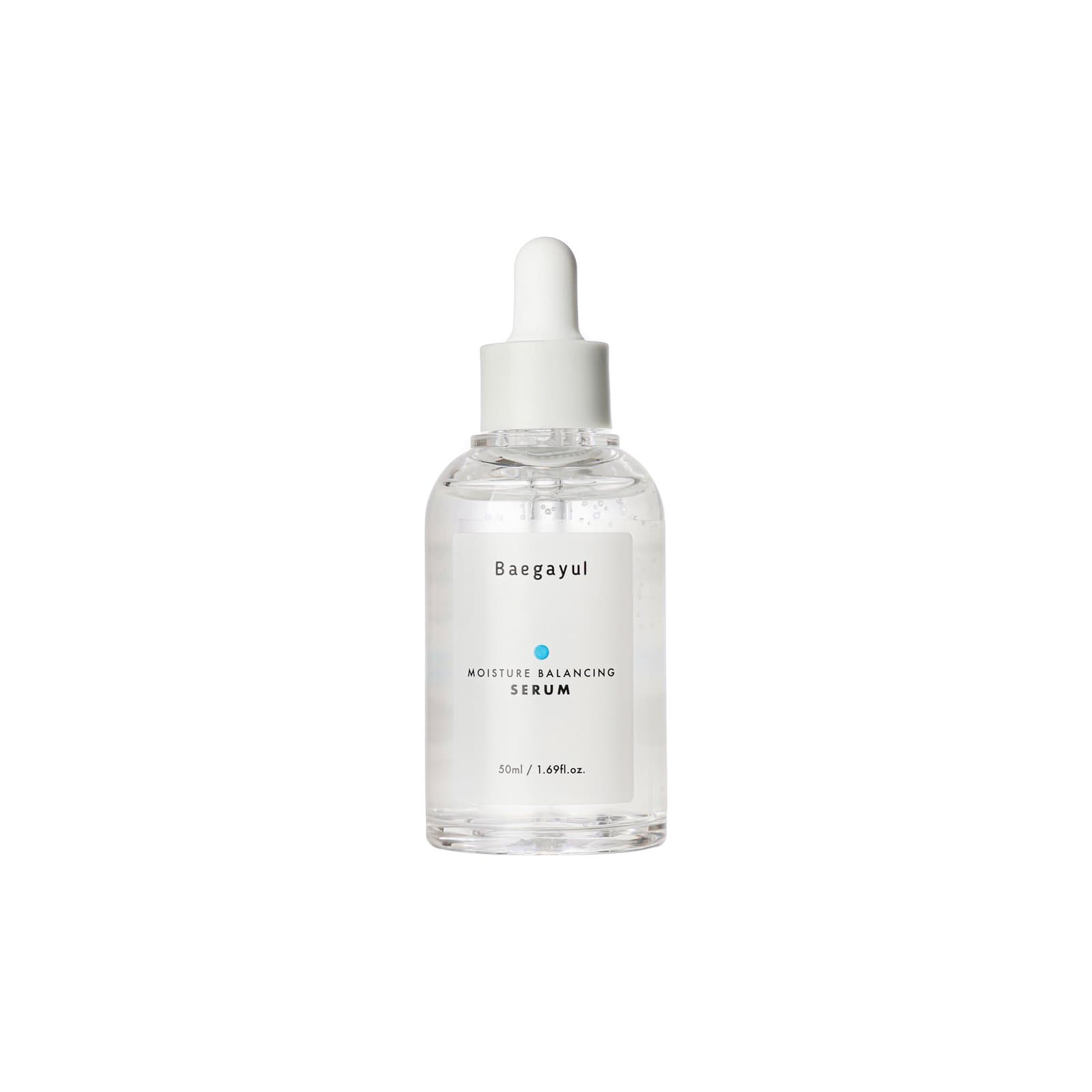
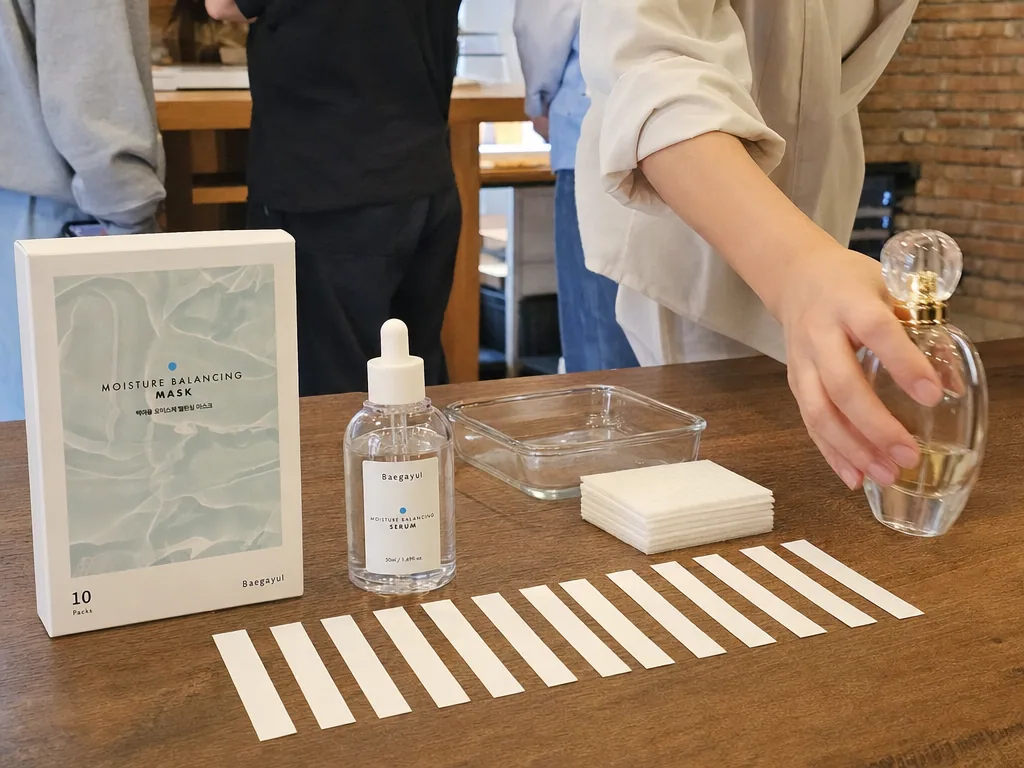
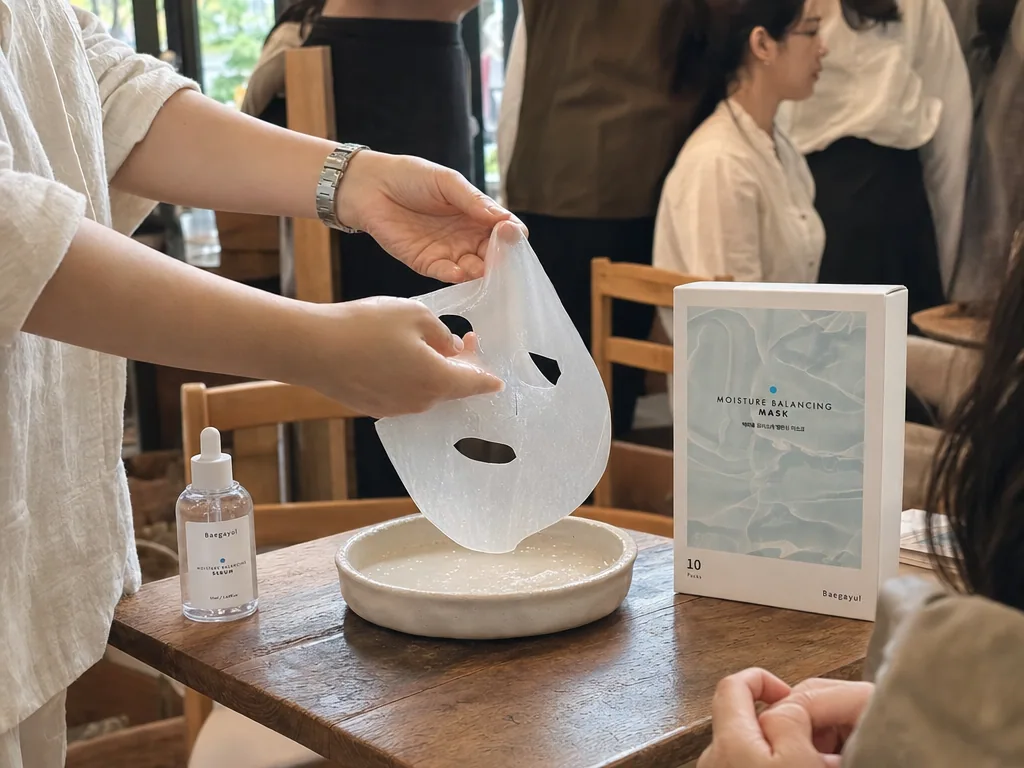
Our current US Moisture Balancing Serum is fragrance-free. That is a product fact, not an allergy-free promise or evidence that it treats a skin condition. Other markets or older stock should be checked against their own labels.
Sources and limits
This guide explains label reading, not allergy diagnosis. Sources were checked September 8, 2026 and do not endorse Baegayul.
- FDA, fragrances in cosmetics Unscented products, collective fragrance labeling and ingredient questions.
- FDA, hypoallergenic cosmetics Limits of the hypoallergenic label.
- American Academy of Dermatology, testing skin care products Cautions about unscented and botanical products.
- Baegayul Moisture Balancing Serum, current US product information Our own product facts, not independent evidence.
Shopping for a fragrance-free sheet mask? Fragrance-free Korean sheet masks: compare the current labels
Before adding a new product: How to introduce a new skincare product safely
This article is intended for general education about skincare and cosmetic ingredients. It is not medical advice and does not diagnose or treat any condition. If a concern persists or worsens, please consult a licensed dermatologist.