The short answer. Do not use a two-week deadline as permission to keep applying a product that causes a reaction. Introducing a cosmetic involves two separate questions: whether your skin tolerates it and whether it meets your goal. An at-home observation cannot diagnose an allergy or prove effectiveness.
How do dermatologists recommend testing a new cosmetic?
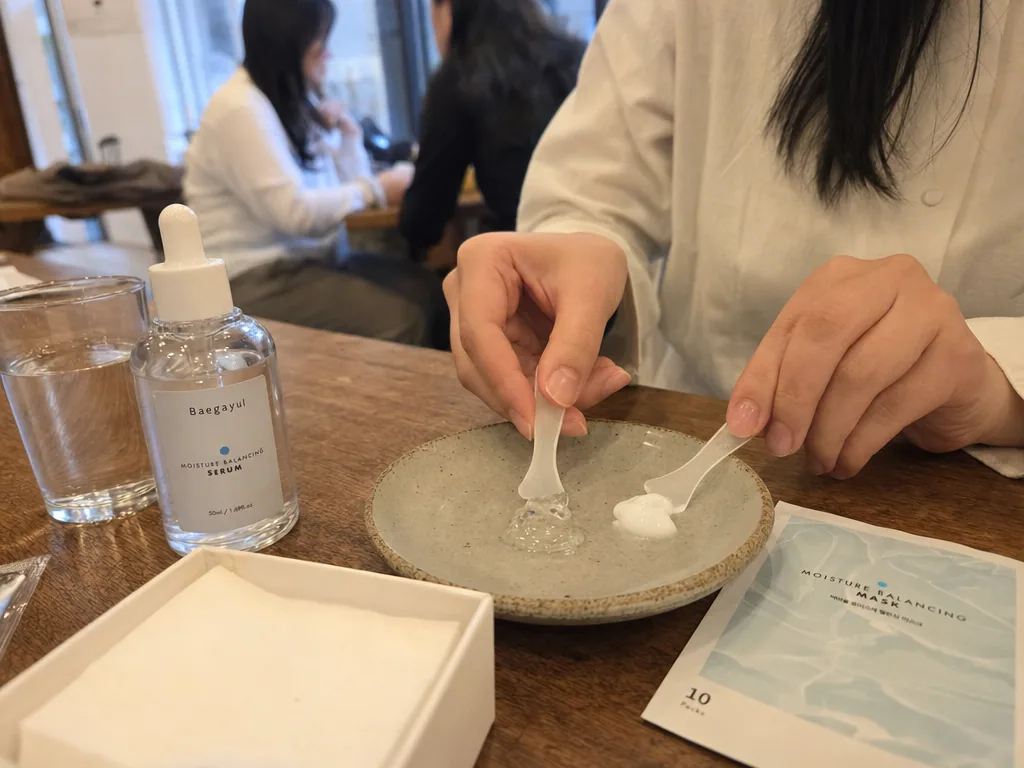
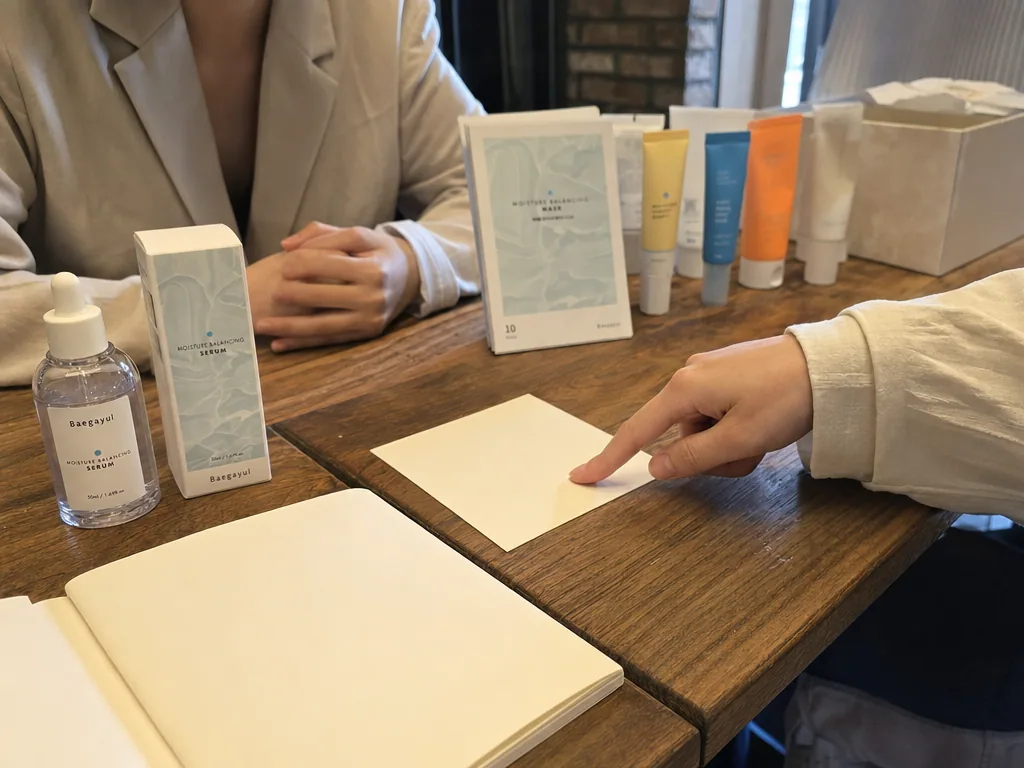
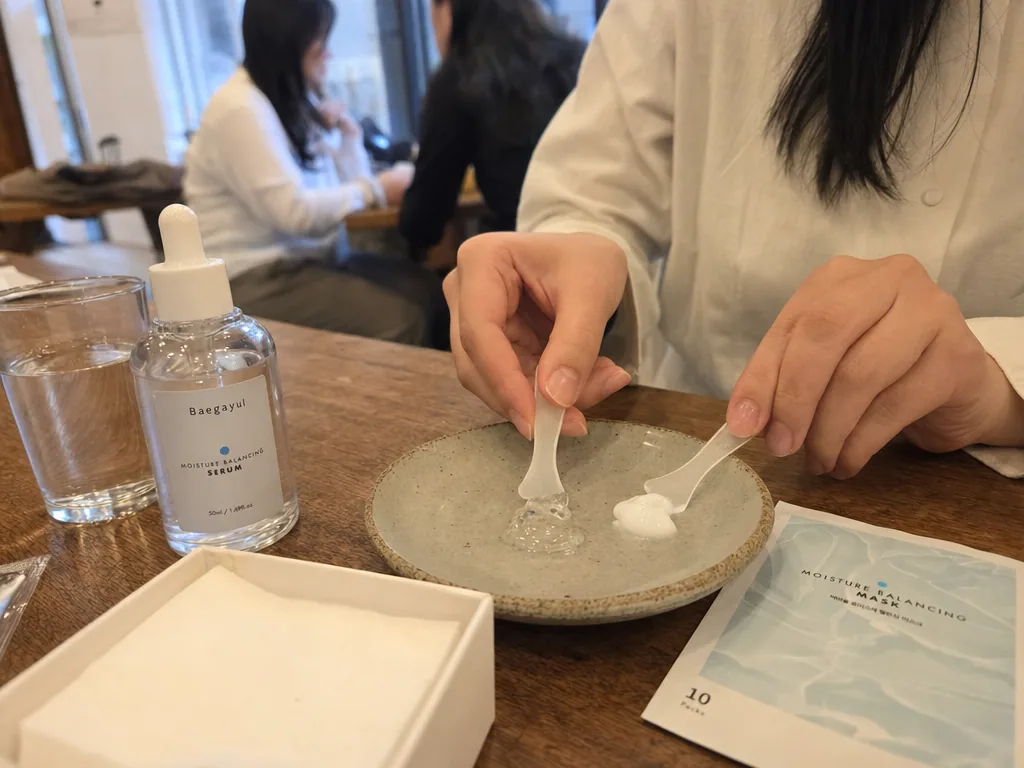
The AAD recommends trying a normal amount on a quarter-sized area, such as the inner arm or elbow, twice daily for seven to ten days. For rinse-off products, follow the labeled contact time. If redness, itching or swelling develops, gently wash it off and stop using it. This preliminary check is not a guarantee against a later reaction.
Follow the directions for the particular product. Do not increase a medication's frequency to fit this general cosmetic-testing example; ask the prescribing clinician about its use.
Is this the same as medical patch testing?
No. Medical patch testing investigates possible contact allergies under a clinician's supervision. A dermatologist applies selected allergens and evaluates reactions over scheduled visits. It is not simply putting your whole new serum on a small area at home. Ask a dermatologist about persistent or recurring rashes rather than trying to identify the responsible ingredient from a photograph.
Keep a one-product introduction log
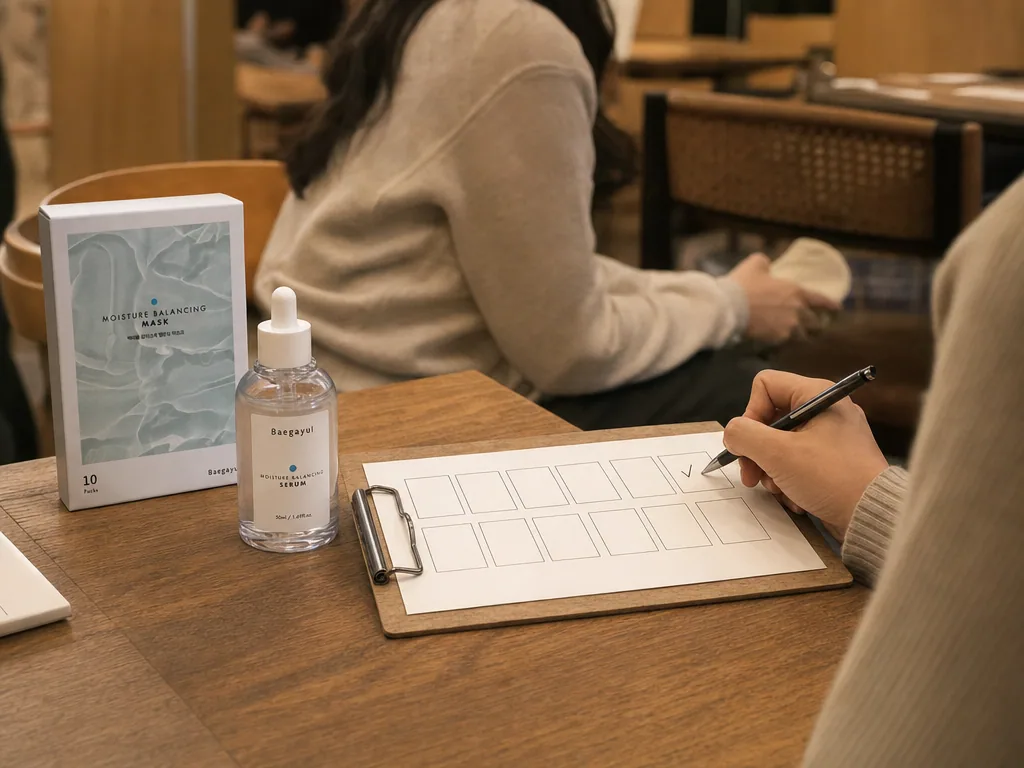
Our practical suggestion is to change one optional cosmetic at a time and keep a short note. That makes the sequence easier to describe; it does not turn a personal trial into a controlled study.
| Note | What to record |
|---|---|
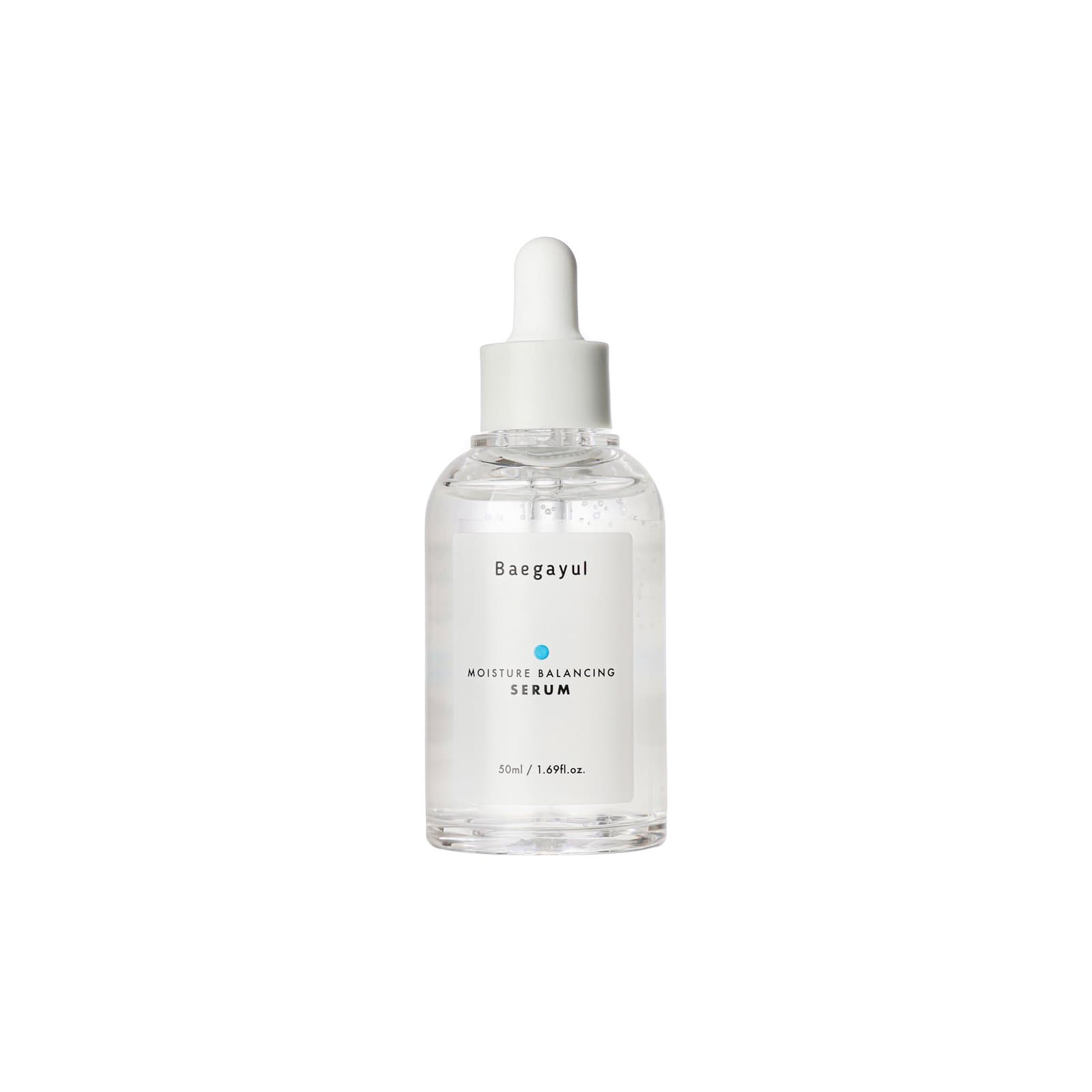
| Product and version | Name, product link, market and the directions on your package. |
| Start and use | Date, amount, frequency and any changes from the directions. |
| Other changes | Other products introduced or stopped, and relevant routine changes. |
| Observations | Comfort and any visible reaction, described without assigning a diagnosis. |
| Decision | Continue according to directions, stop after a reaction, or ask a clinician. |
How long should you wait to decide whether it works?
Use the evidence and directions for the specific product and goal. We cannot give every moisturizer, serum and treatment the same two-week or six-week verdict. Tolerance, immediate feel and a longer-term outcome are different observations. Do not label a breakout as purging just because it followed a new purchase, or assume discomfort must be endured.
Seek medical advice for a severe, persistent or worsening reaction. Difficulty breathing or swelling of the lips or tongue needs urgent medical attention. Do not restart a suspected trigger simply to complete your log.
Sources and limits
This is general cosmetic-use education, not a treatment plan or diagnosis. Sources checked September 8, 2026. Neither source tests or endorses Baegayul.
- American Academy of Dermatology, how to test skin care products Preliminary product testing and stop-use advice.
- American Academy of Dermatology, medical patch testing Clinician-supervised allergy investigation and urgent-reaction guidance.
For label-reading questions: Fragrance-free vs. unscented skincare
For a simpler routine: A minimal Korean skincare routine for reactive skin
This article is intended for general education about skincare and cosmetic ingredients. It is not medical advice and does not diagnose or treat any condition. If a concern persists or worsens, please consult a licensed dermatologist.