The short answer. Sodium hyaluronate is the sodium salt form of hyaluronic acid, and it is the name you will most often see on a cosmetic ingredient list. Both are used in skincare as water-binding ingredients. The different names do not, by themselves, establish that one finished product performs better than another.
Ingredient lists use standardized names, and several hyaluronic-acid-related terms exist. Brands choose between them for formulation reasons a shopper cannot see, which is why the label can be read for what is inside but not for how the finished product will behave.
What does each name on the label mean?
| Label term | What it tells you | What it does not |
|---|---|---|
| Hyaluronic acid | The ingredient is present under that name on the list | The name alone says nothing about its form in the finished product or how it will feel |
| Sodium hyaluronate | The sodium salt form of hyaluronic acid, common in cosmetic formulas | The salt name does not prove better absorption or a better result in a finished product |
| Hydrolyzed hyaluronic acid | A form broken into smaller pieces during processing | "Hydrolyzed" describes the ingredient, not what the finished product does for your skin |
| Sodium hyaluronate crosspolymer | A crosslinked form that some brands choose to list | A longer, more technical name is not evidence of a stronger result |
Is hyaluronic acid an exfoliating acid?
No. Despite the word in its name, hyaluronic acid is not an exfoliating acid like glycolic or salicylic acid. It is a humectant, an ingredient that helps bind water. Seeing it on a label is not a reason to expect peeling, and it is also not a reason to assume every formula that lists it will be irritation-free for you. The American Academy of Dermatology recommends testing new products on a small area before routine use. AAD product-testing guidance.
How do we use these names at Baegayul?
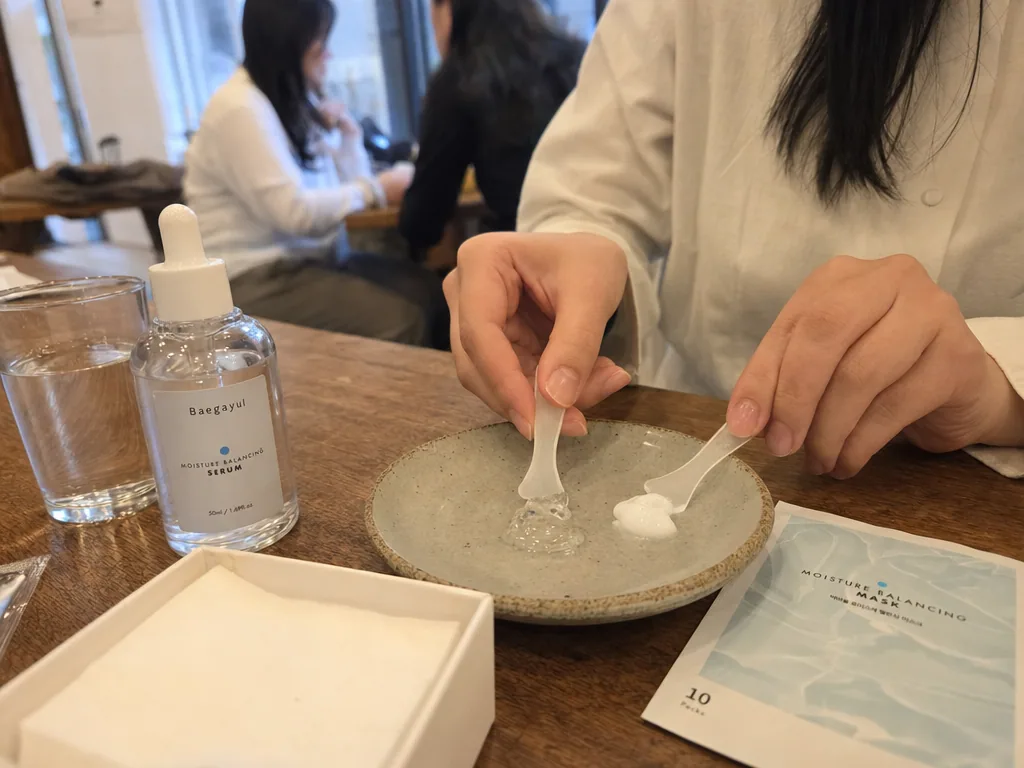
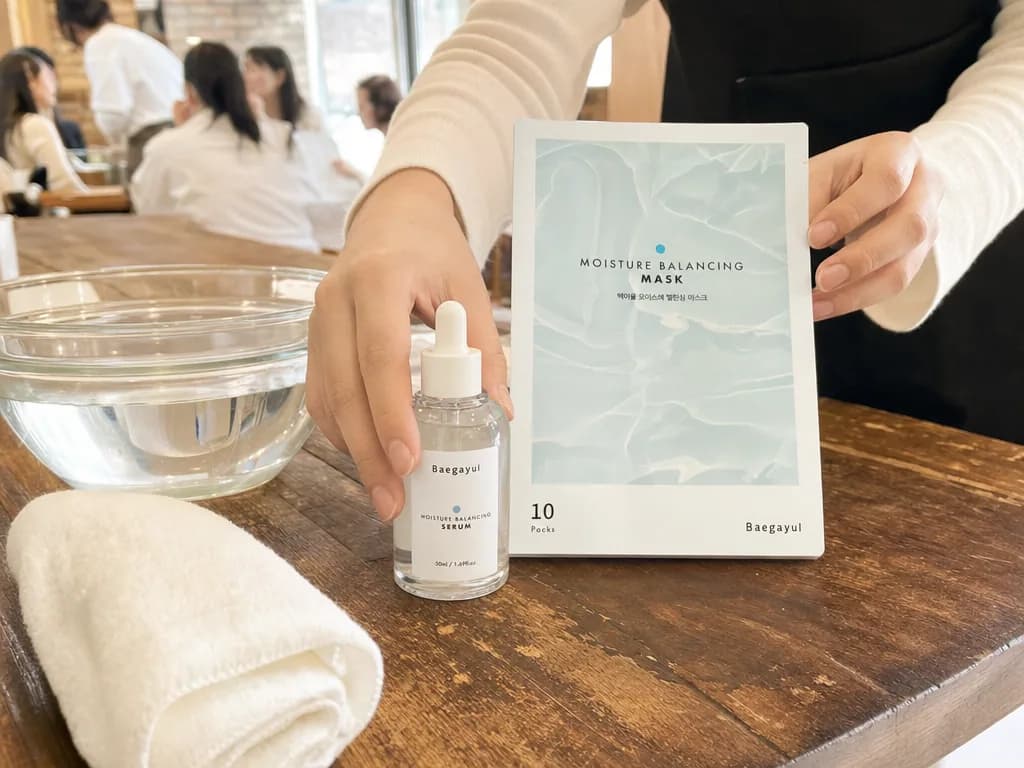
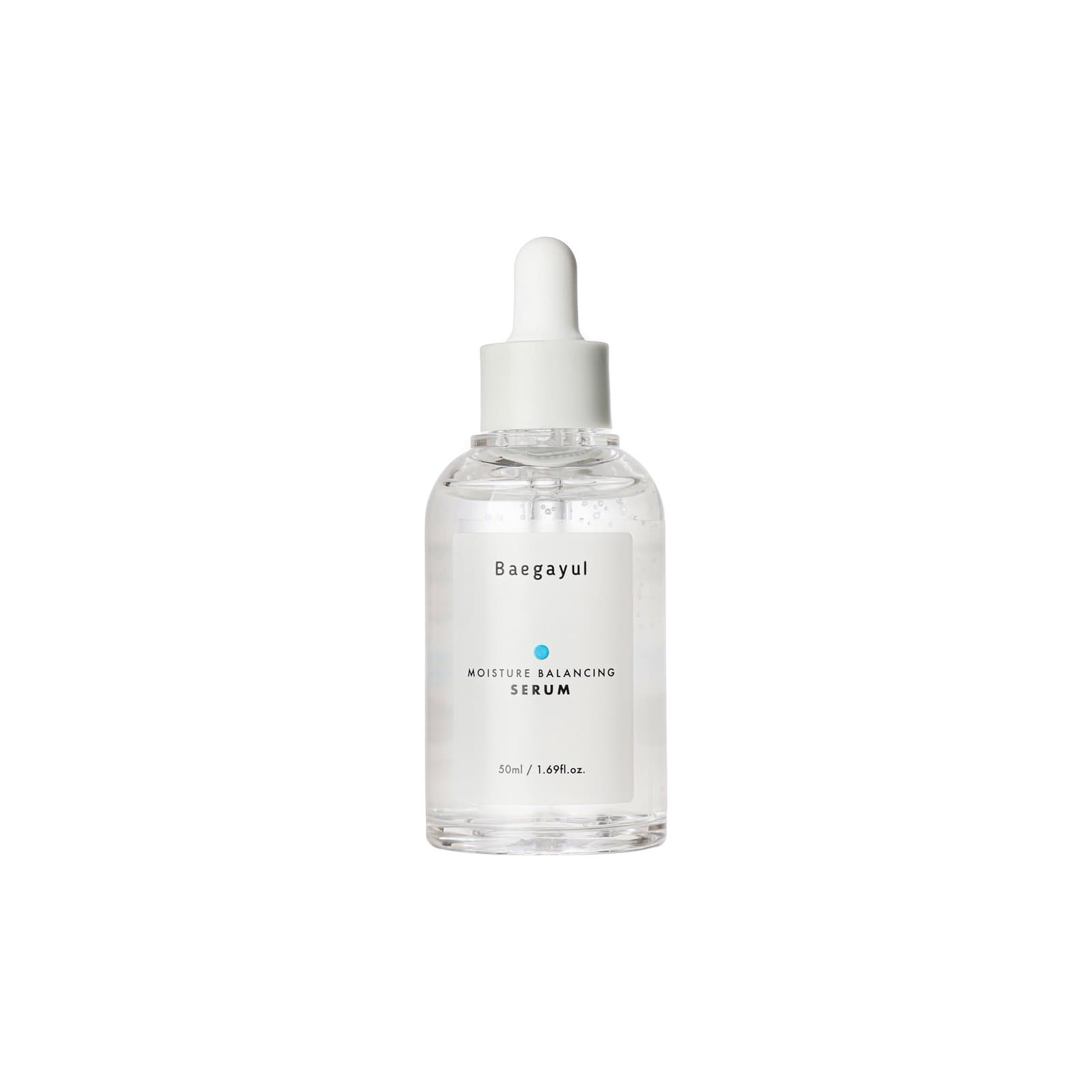
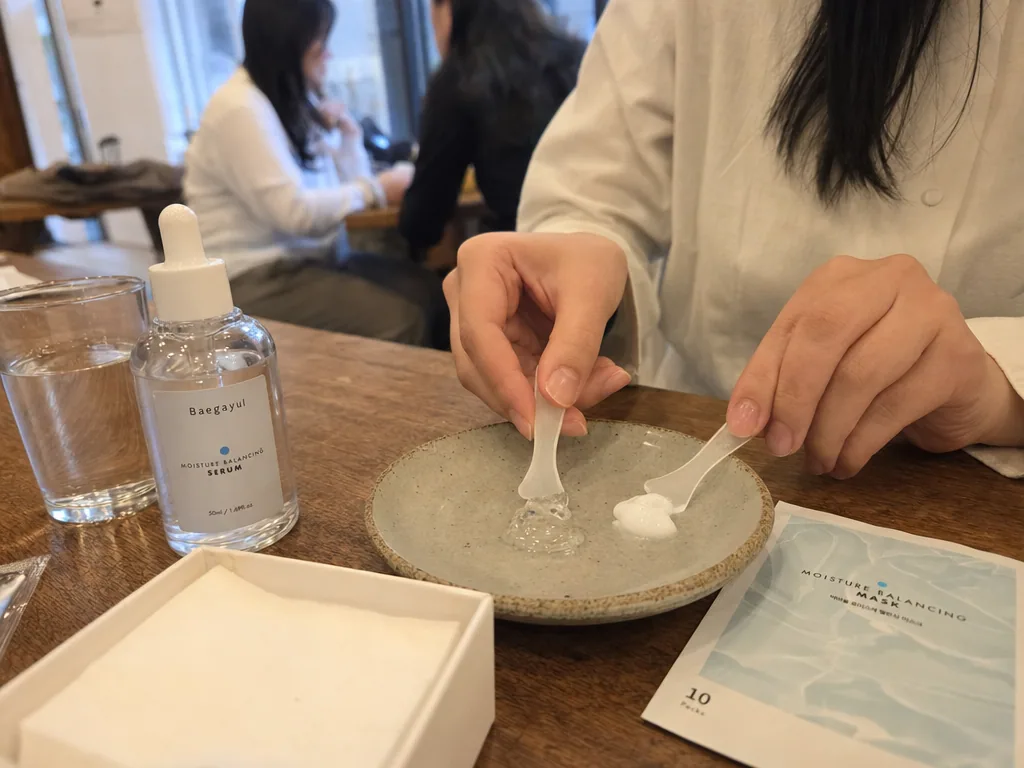
The current Baegayul Moisture Balancing Serum lists sodium hyaluronate, glycerin and betaine among its selected ingredients. We are not publishing an ingredient order, concentrations or multi-molecular-weight claims here, and nothing on this page is evidence that our serum penetrates deeper or performs differently from anyone else's.
- The Ordinary: hyaluronic acid ingredient glossary A manufacturer's plain-language explanation of hyaluronic-acid naming; ingredient education, not an independent test of Baegayul.
- The Ordinary: guide to hyaluronic acid A brand's own ingredient guide, cited for naming conventions rather than as third-party verification.
- American Academy of Dermatology: how to test skin care products Patch-testing guidance that applies to any new product, whatever its label names.
Pairing it with another name on the label? Can you use niacinamide and hyaluronic acid together?
Shopping for a serum? How to choose a hydrating serum that does not feel sticky
Our own current label: Baegayul Moisture Balancing Serum
This article is intended for general education about skincare and cosmetic ingredients. It is not medical advice and does not diagnose or treat any condition. If a concern persists or worsens, please consult a licensed dermatologist.