The short answer. Yes, these ingredients can appear together in formulated skincare, and products containing both exist. That does not establish that any two separate products, or any concentrations, will suit every person. The answer depends on the actual formulas and on your own skin.
What decides whether they work together for you?
Ingredient names alone do not decide compatibility; directions and formulation do. Four situations cover most of the question.
| Your situation | A reasonable approach |
|---|---|
| One finished formula already contains both | Follow that product's directions; the formulator already decided how the ingredients sit together |
| Two separately purchased products | Introduce one optional change at a time and follow each product's own directions, so a reaction is easier to trace |
| Your routine is already comfortable | Keeping it unchanged is a valid choice; another product is optional, not a missing requirement |
| A reaction keeps happening | Stop the cosmetic that is reacting and seek professional advice if symptoms persist or are severe |
If you are using a prescribed treatment, follow your prescriber's directions and ask before adding new cosmetics over it. Nothing on this page addresses medicines, doses or interactions.
Does the order people argue about matter?
There is no required order based on ingredient names alone. What matters is each product's directions and formulation. Some finished formulas contain both ingredients in one bottle: CeraVe explains niacinamide on its own ingredient page, and the published ingredient list for one of its moisturizers includes both niacinamide and sodium hyaluronate, a form of hyaluronic acid. That is a disclosed manufacturer example showing co-formulation exists, not an endorsement and not proof of universal compatibility.
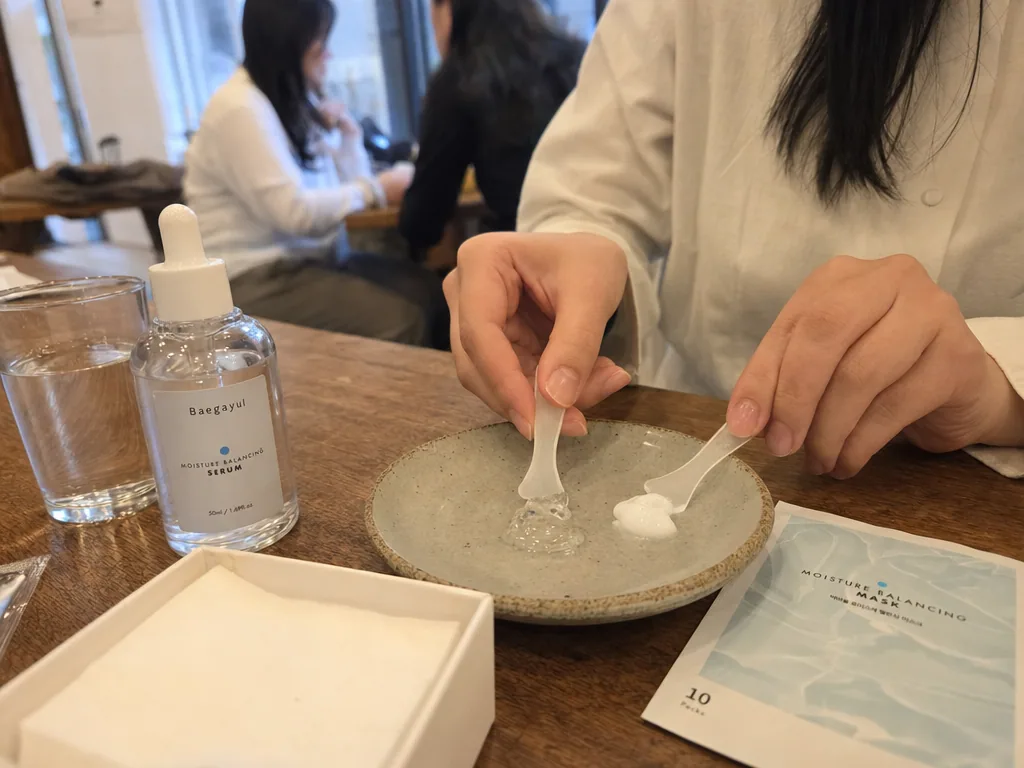
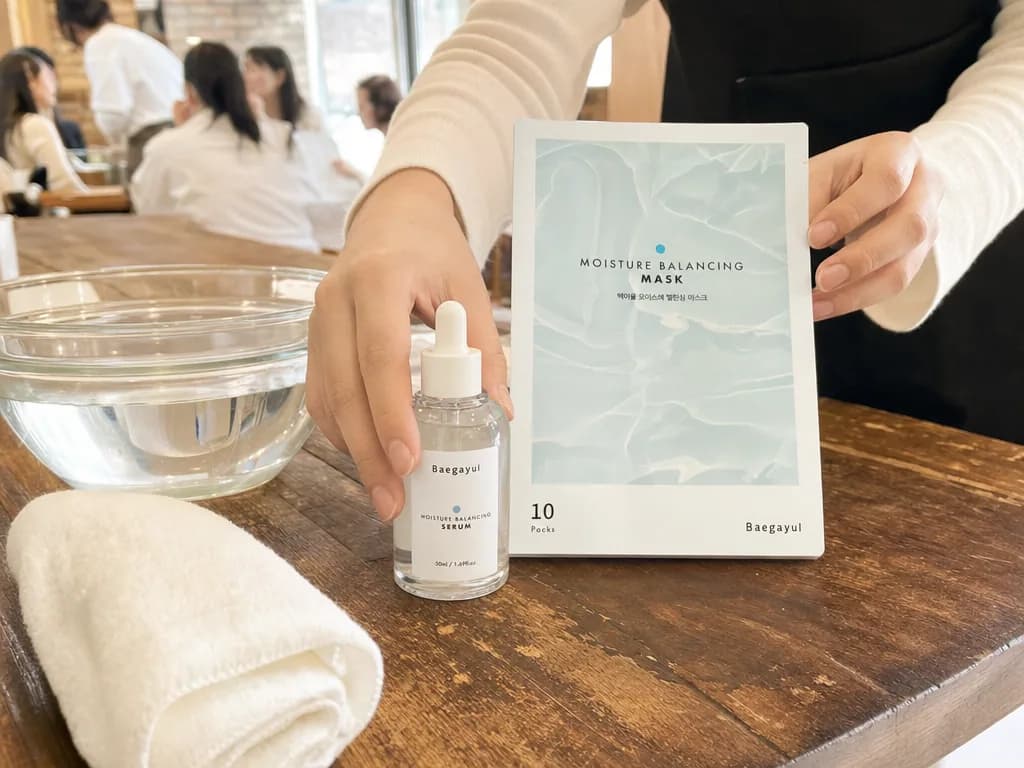
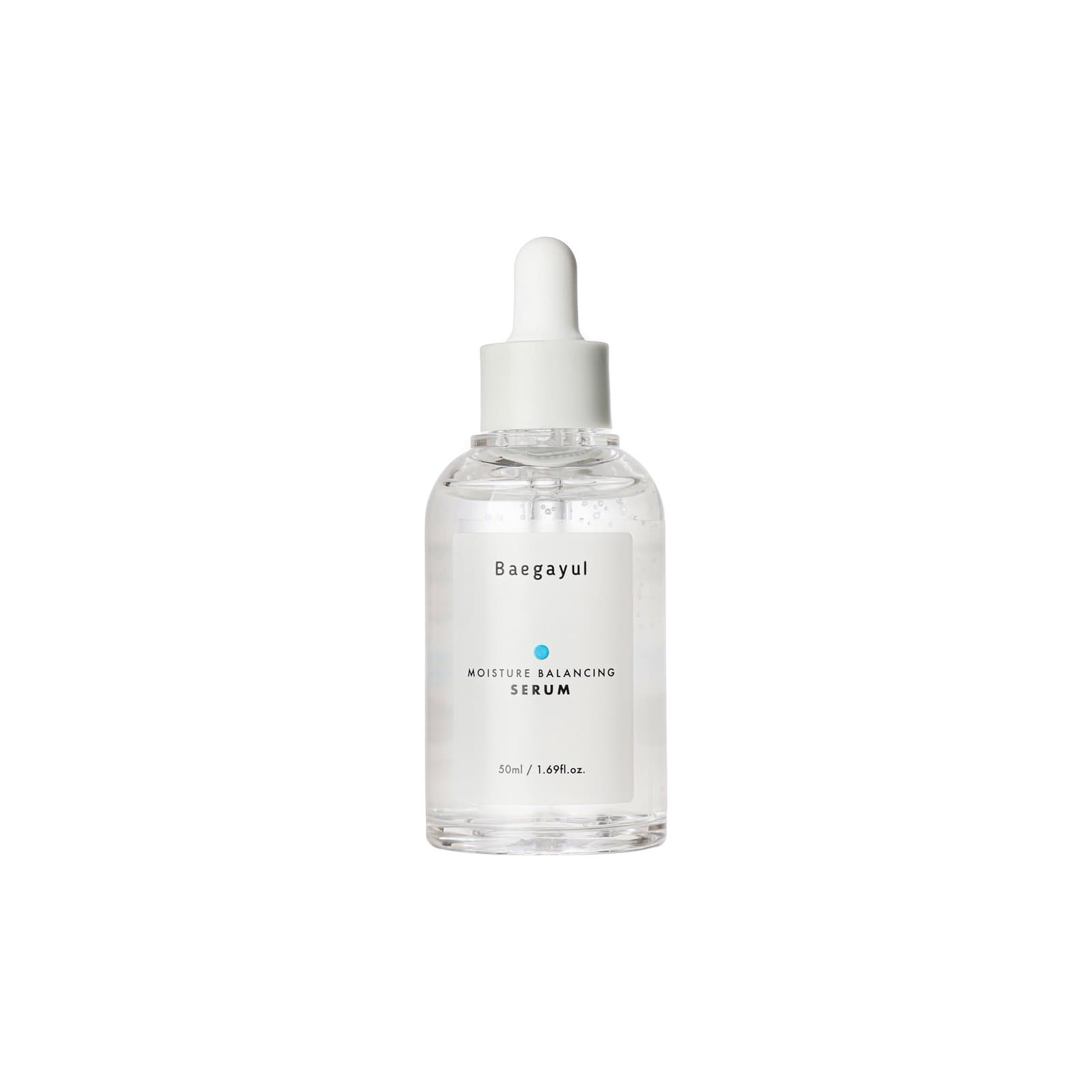
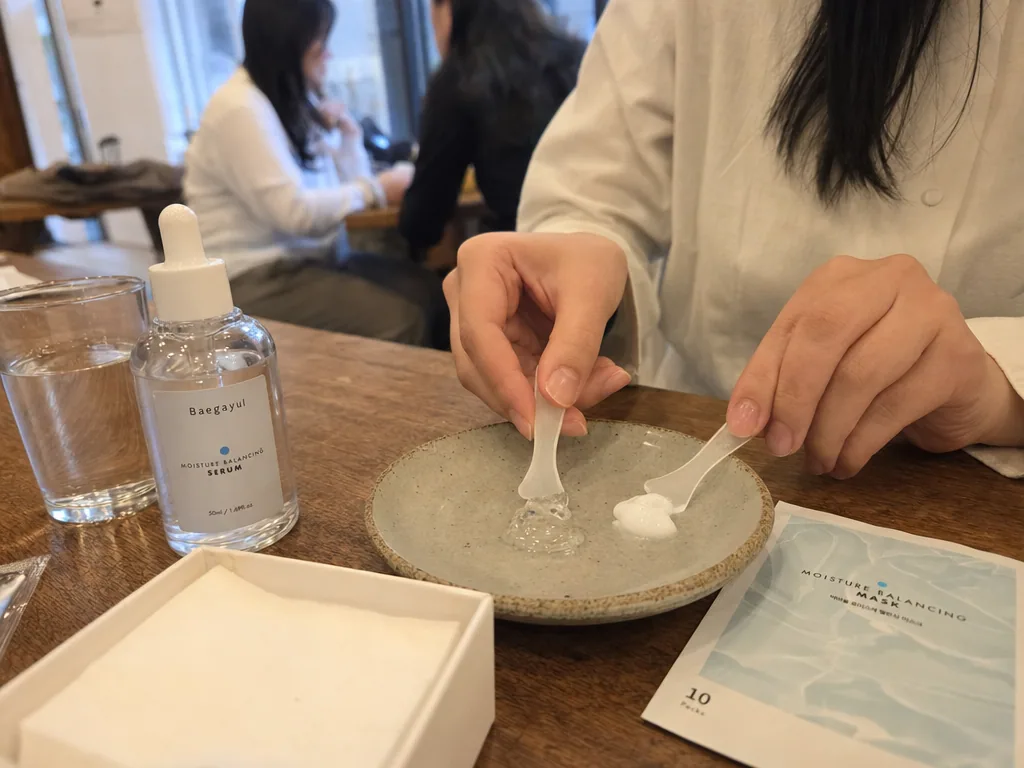
For context, the current Baegayul serum also lists both niacinamide and sodium hyaluronate among its selected ingredients, without published percentages. We make no brightening, acne-treatment or clinical barrier-repair claim for that pairing; it is simply the formula we ship.
- CeraVe: niacinamide ingredient explainer A manufacturer's description of its own ingredient; a naming and use example, not independent research.
- CeraVe: ingredient list for a moisturizer listing niacinamide and sodium hyaluronate A disclosed co-formulation example from a manufacturer's own page; not an endorsement or proof of compatibility for everyone.
- American Academy of Dermatology: how to test skin care products Testing new products on a small area first and stopping anything that keeps reacting.
What the two names on a label mean: Sodium hyaluronate vs. hyaluronic acid: what the label means
Changing your routine one step at a time: How to introduce a new skincare product safely
Our own formula, for comparison: Baegayul Moisture Balancing Serum
This article is intended for general education about skincare and cosmetic ingredients. It is not medical advice and does not diagnose or treat any condition. If a concern persists or worsens, please consult a licensed dermatologist.