The short answer. Glycerin and hyaluronic acid are different ingredients that can both act as humectants. They can appear in the same formula, so choosing skincare is not necessarily a choice between them. The ingredient names alone do not tell you which finished product will feel better on your skin.
A humectant is an ingredient that helps draw and hold water. CeraVe's own ingredient guidance for dry skin describes both glycerin and hyaluronic acid in that role, and The Ordinary's formulation explainer describes how the base a brand builds around its ingredients shapes texture. Both are manufacturer explanations, not independent trials, but they agree on the practical point: the same humectant can sit in very different finished products.
What does each name on the label establish?
| Label name | What the name establishes | What it does not establish | What to check next |
|---|---|---|---|
| Glycerin (also written glycerine or glycerol) | A humectant is present under one of its standard names | How much is in the bottle, or how the finished texture will feel | The full ingredient list, the directions and the product's stated purpose |
| Hyaluronic acid or sodium hyaluronate | A hyaluronic-acid-family humectant is present; sodium hyaluronate is a salt form of hyaluronic acid | Superiority over glycerin, an exact concentration, or a promised result | Whether the name appears alongside other humectants, and the rest of the formula |
| Both names on one list | The brand chose to include more than one humectant | Synergy, a stronger effect, or that the product suits every skin | Texture wording, directions and how your own skin responds |
Why does the finished formula matter more?
Two serums can list the same humectants and still feel completely different, because the base, the other ingredients and the amounts all change the result. Comparing glycerin and hyaluronic acid as rival products therefore tells you little about a finished formula. The practical comparison is between specific products: whether this formula, with its directions and texture, fits the routine you already have.
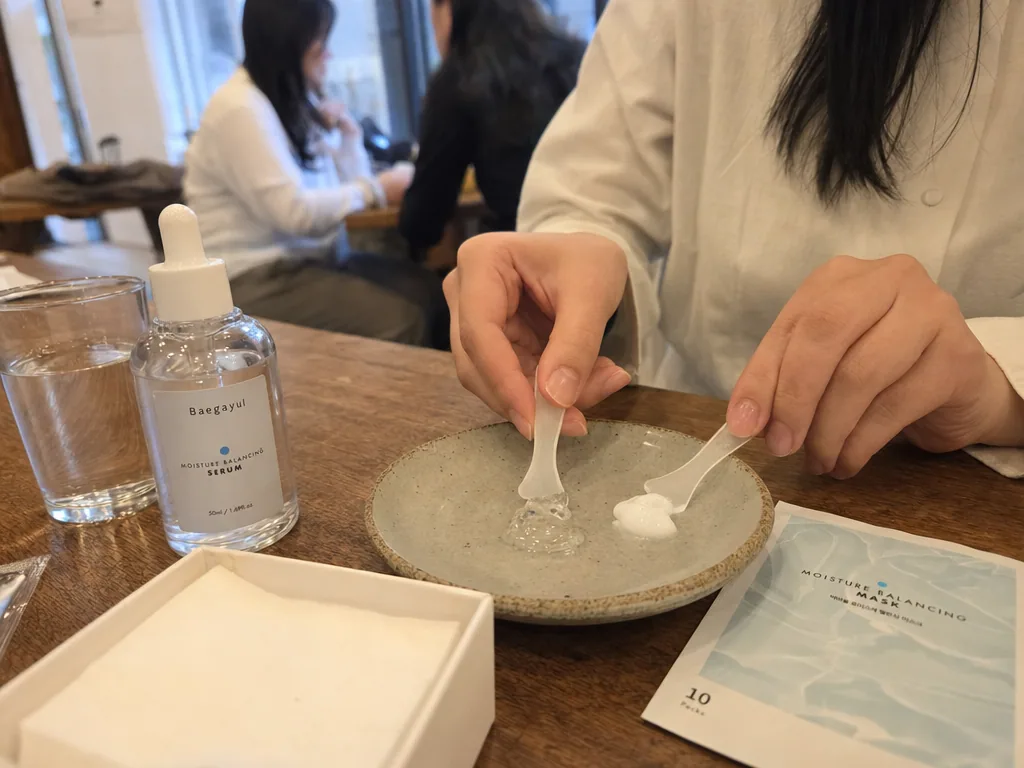
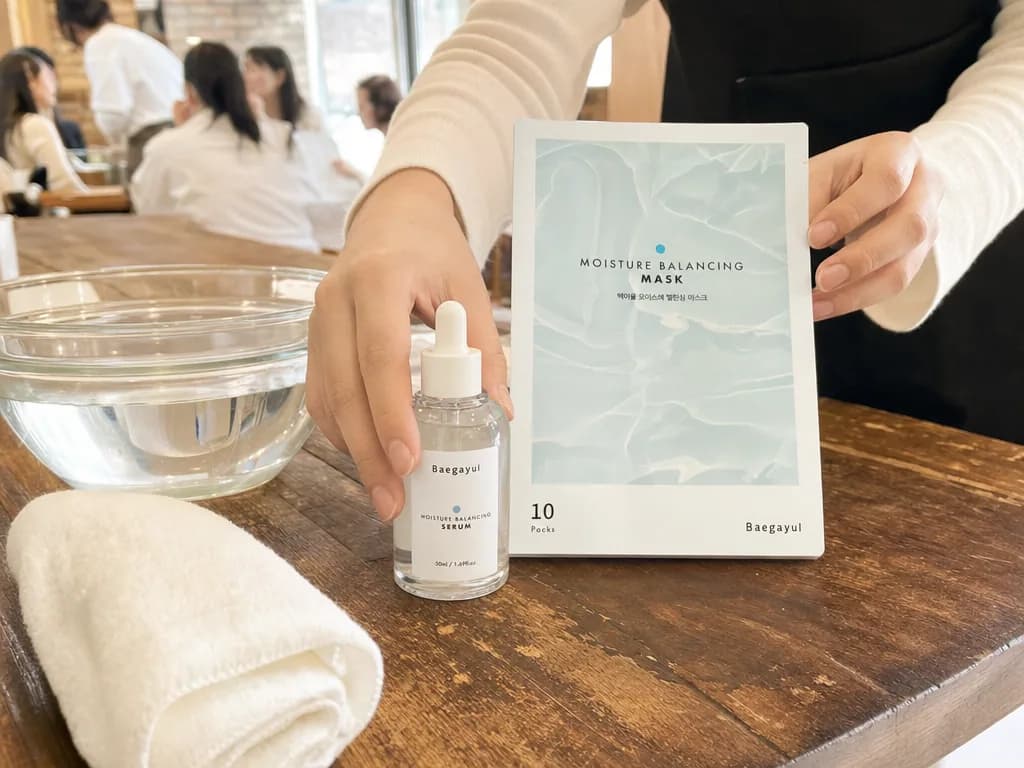
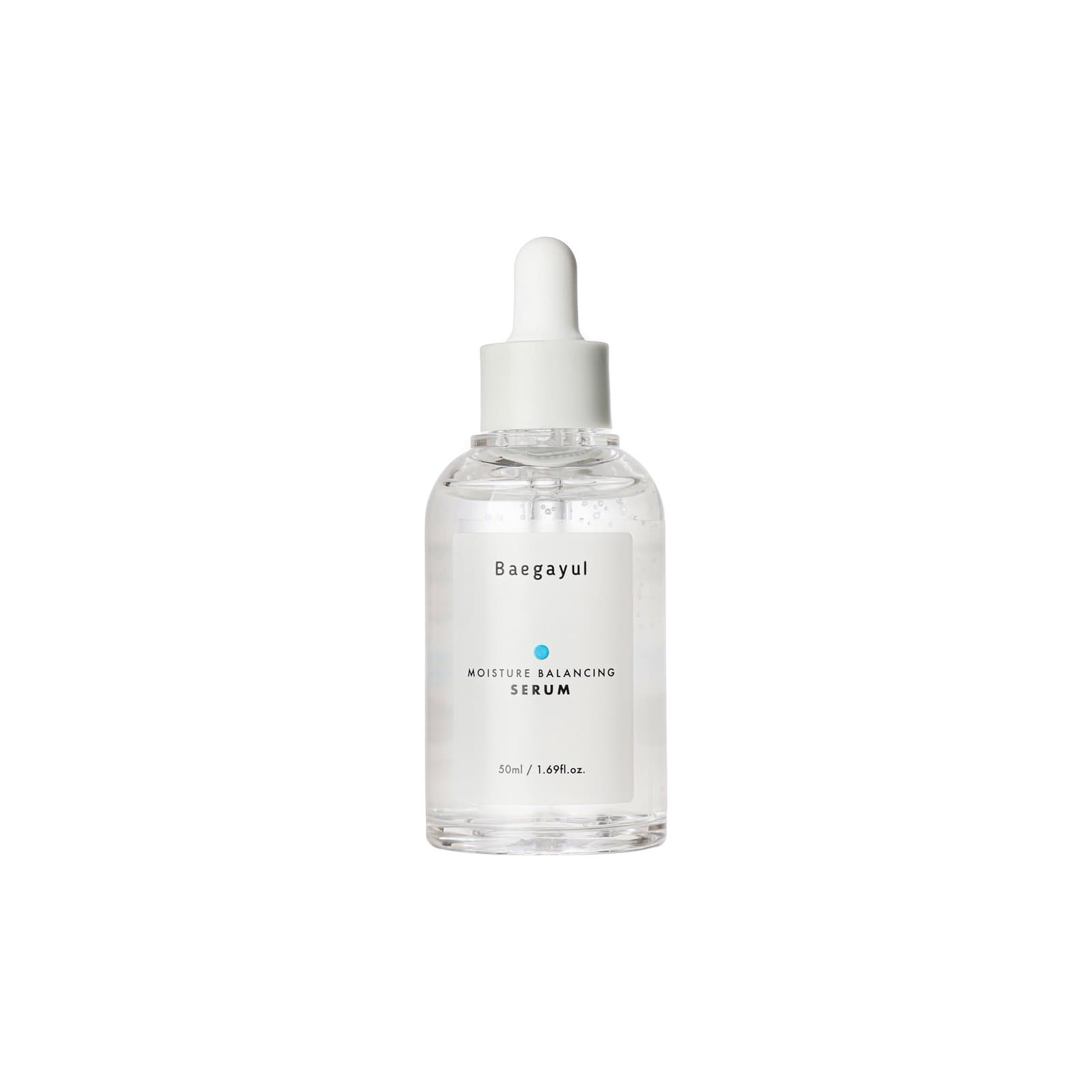
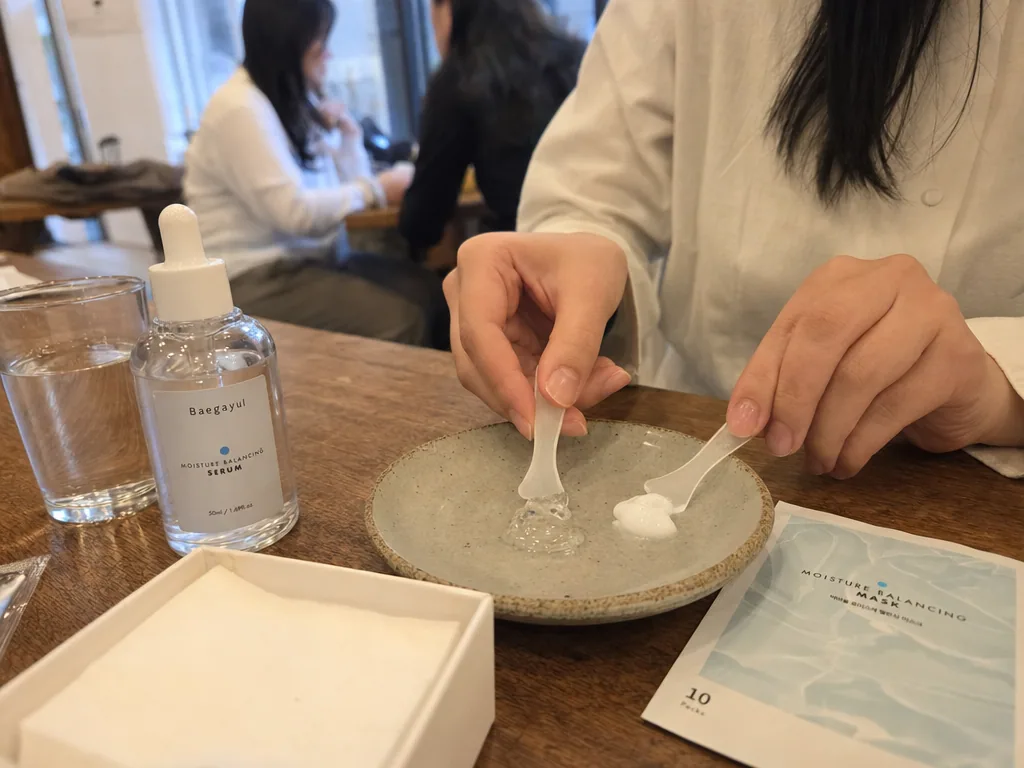
As a disclosed example of co-presence, the current Baegayul Moisture Balancing Serum lists both glycerin and sodium hyaluronate among its selected ingredients. That is simply what the formula contains. It is not evidence of synergy, of a particular concentration, or of a better result than any other product.
- CeraVe: skincare ingredients for dry skin A manufacturer's plain-language explanation of humectants, including glycerin and hyaluronic acid; ingredient education, not an independent test.
- The Ordinary: the science behind skincare textures and formulation A manufacturer's explanation of how a formulation base shapes texture; cited for the general point, not as evidence about Baegayul outcomes.
The hyaluronic-acid names, explained: Sodium hyaluronate vs. hyaluronic acid: what the label means
Choosing by texture rather than by ingredient name: How to choose a hydrating serum that does not feel sticky
Our own current label: Baegayul Moisture Balancing Serum
This article is intended for general education about skincare and cosmetic ingredients. It is not medical advice and does not diagnose or treat any condition. If a concern persists or worsens, please consult a licensed dermatologist.