The short answer. Your skin barrier helps limit water loss and protect against the outside environment. The stratum corneum is an important part of that barrier. But tightness, dryness or stinging is not a home measurement of barrier function, and it cannot tell you which ingredient your skin needs.
What does the skin barrier do?
The National Institute of Arthritis and Musculoskeletal and Skin Diseases identifies the stratum corneum as the skin's permeability barrier. Its role is more specific than the vague idea of strong skin: it helps regulate what passes through the skin surface. NIAMS also explains that changes in the protective layer can allow moisture to escape.
The brick-wall comparison can be a useful introduction, but it is still a simplification. It does not let you calculate a lipid shortage from a mirror or prove that a moisturizer has repaired your skin.
What can common skin sensations tell you?
| Observation | Useful information | What it cannot establish |
|---|---|---|
| Tightness after washing | Note the cleanser, water temperature and when it happens. | A measured rate of water loss or a specific missing lipid. |
| Dry or flaky patches | Record where they occur and whether they persist. | Whether the cause is a routine issue or a skin condition. |
| A product stings | Treat that response seriously; do not use discomfort as evidence of effectiveness. | That the product is working or that the barrier is the only possible cause. |
| Ongoing or worsening symptoms | Bring the history and product list to a licensed dermatologist. | A diagnosis from a skincare article. |
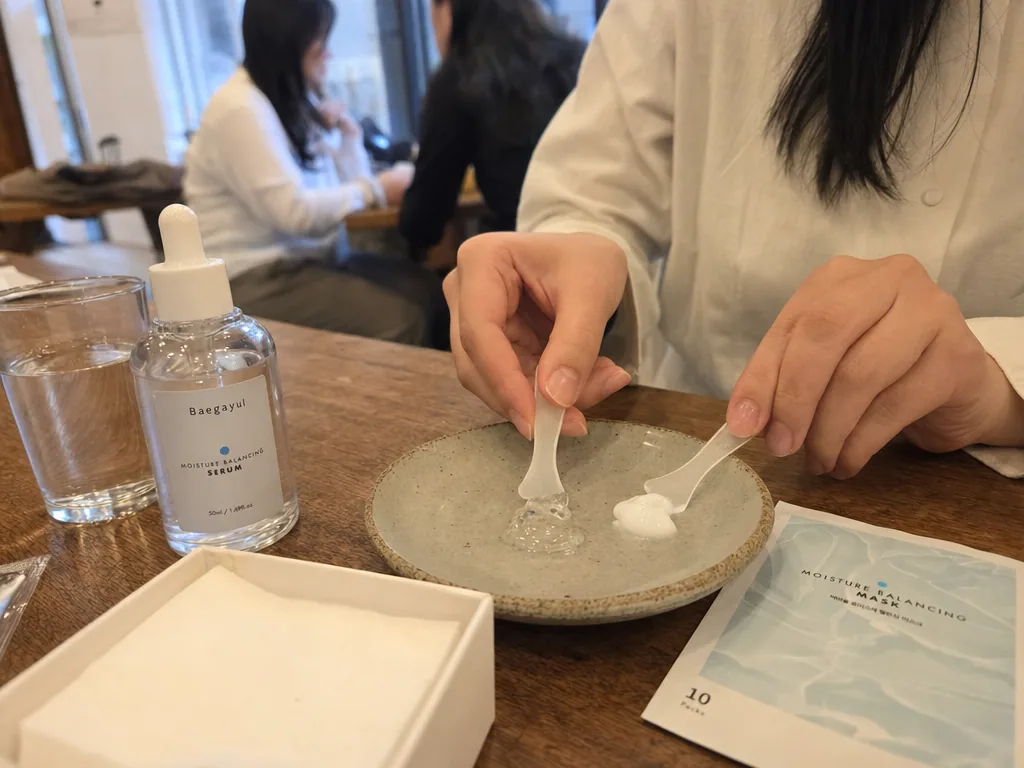
What is a sensible starting routine?
The AAD recommends a simple foundation of cleansing, moisturizing and sun protection. Its guidance also warns that overusing exfoliators can leave skin raw and irritated. Adding several corrective products at once makes it harder to track what changed.
Keep a short record of products and recent changes. If a cosmetic causes a reaction, wash it off and stop using it. Ask your prescriber before changing prescribed treatment. This guide does not set a universal schedule for restarting acids, retinoids or other treatments.
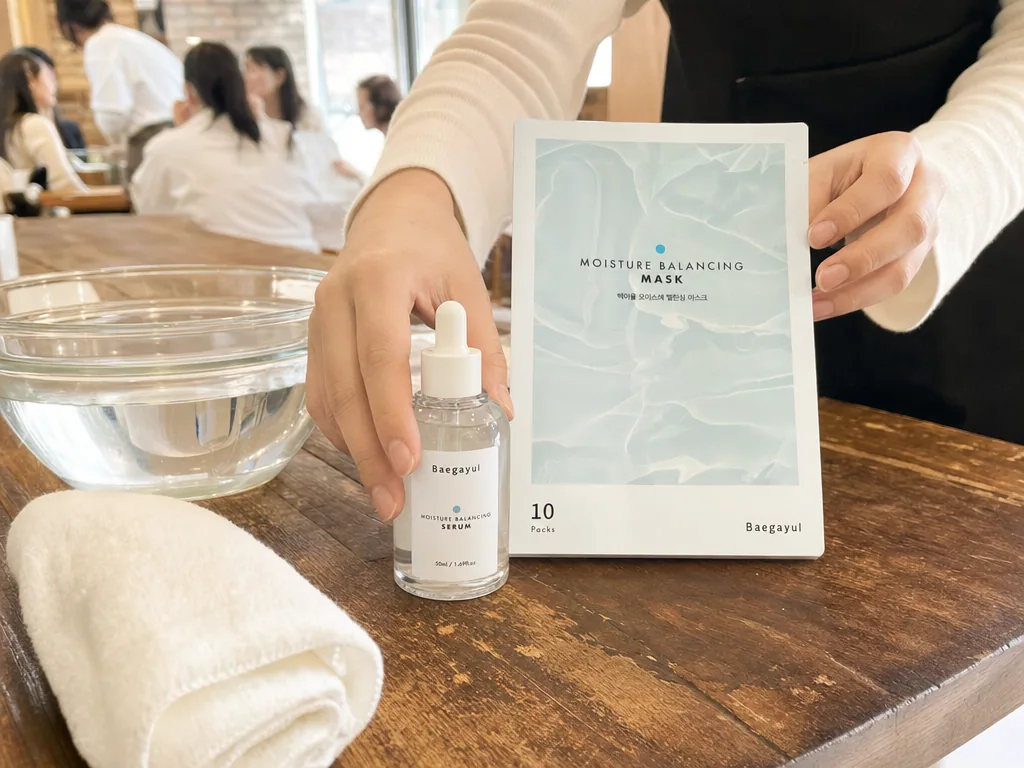
How long does skin-barrier repair take?
We do not give a two-week repair promise. That would assume both a diagnosis and a recovery schedule this article cannot establish. A comfortable day is useful information, not a laboratory result. If symptoms persist, worsen or become painful, seek professional advice rather than repeatedly extending a self-directed reset.
Likewise, finding ceramides or a humectant on an ingredient list does not prove clinical barrier repair by that finished product. General ingredient explanations and product-specific evidence answer different questions.
Sources and limits
The references explain skin biology and general care. They are not studies of Baegayul products. Checked September 8, 2026.
- NIAMS, epidermis, dermis and skin senses Identifies the stratum corneum as the skin permeability barrier.
- NIAMS, atopic dermatitis Protective-layer changes and moisture loss; not evidence that the reader has eczema.
- American Academy of Dermatology, skin care on a budget Simple routine foundations.
- American Academy of Dermatology, skin care in your 20s Cautions about overusing exfoliators.
- American Academy of Dermatology, testing skin care products Stop-use guidance when a cosmetic causes a reaction.
For the ingredient-function distinction: Hydrating vs. moisturizing: do you need both?
Before changing the routine: How to introduce a new skincare product safely
This article is intended for general education about skincare and cosmetic ingredients. It is not medical advice and does not diagnose or treat any condition. If a concern persists or worsens, please consult a licensed dermatologist.