The short answer. Start with the pattern across your face. Oily skin tends to have a shiny, greasy appearance; dry skin may feel rough or look flaky; combination skin has both oily and dry areas. These descriptions can help you discuss product choices, but a mirror check cannot diagnose a skin condition or measure how much water your skin holds.
Oily, dry, combination and sensitive: what is the difference?
| Description | Pattern to notice | A useful question |
|---|---|---|
| Oily | Shine or a greasy feel | Does this occur across the face or only in certain areas? |
| Dry | Roughness, flaking or itchiness | Is it persistent, and is it becoming uncomfortable? |
| Combination | Oily areas alongside dry areas | Which areas feel different from each other? |
| Sensitive | Burning or stinging after a product | Which product was used, and what happened afterward? |
| Normal or balanced | Few obvious concerns | Is there a reason to change a comfortable routine? |
Is a shiny T-zone combination skin or oily skin?
The T-zone means your forehead, nose and chin. Shine there alone does not settle the label. The useful distinction is whether other areas are also oily or instead feel dry. AAD moisturizer guidance describes combination skin as a mixed pattern, often with oiliness in the T-zone. That is why one texture does not have to be the answer for every part of a face.
Do you need to wash your face and wait to find out?
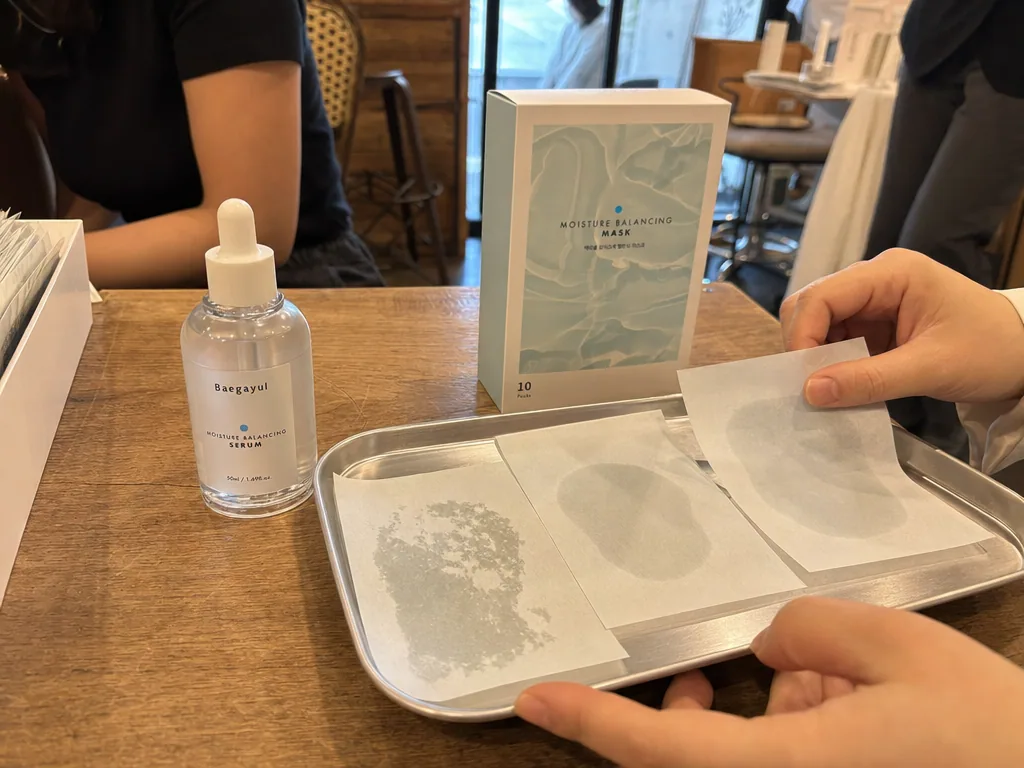
This guide does not use a timed bare-face test. There is no need to scrub, repeat cleansing or leave uncomfortable skin untreated to complete a quiz. The AAD recommends gentle washing with lukewarm water and fingertips, then patting dry. It also advises moisturizer for dry or itchy skin. Note how your usual routine feels without turning discomfort into a test result.
Keep an observation note, not a score
Our practical suggestion is to record a few ordinary observations before buying a different routine. Keep the note for yourself; you do not need to send us photographs or health information.
| Note | What to record |
|---|---|
| Area | Forehead, nose, chin or cheeks, rather than only whole face. |
| Timing | When you noticed the change and whether it followed a product. |
| Description | Shine, roughness, flaking or discomfort, without assigning a cause. |
| Routine | The cleanser and other products used that day. |
| Question | What you want to clarify with a dermatologist or before choosing a product. |
What if your skin is shiny and tight at the same time?
Record both observations. Do not infer a specific missing ingredient, a damaged barrier or a need for stronger cleansing from that combination alone. Our separate soobooji article discusses the oily-but-dehydrated question. This page stays focused on describing your skin, not diagnosing why it feels that way.
For the shiny-but-tight question: Oily but dehydrated? The Korean term is soobooji.
How should this change your product choices?
The AAD's oily-skin guidance recommends moisturizer after cleansing and products labeled oil-free and non-comedogenic. Its moisturizer guide distinguishes lighter gels from richer creams and ointments. Use those as starting points for choosing a comfortable texture, not proof that one ingredient or a whole new routine is required.
A serum is an optional product category, not the result of a skin-type test. Keep product directions and your own tolerance in view. If dryness worsens, becomes painful, cracks or bleeds, or if you remain unsure about a persistent problem, ask a licensed dermatologist rather than repeatedly changing the label you give your skin.
Sources and limits
Checked September 8, 2026. These sources explain general skin descriptions and care. They do not diagnose the reader, endorse Baegayul or establish results for our products. The observation note is our editorial suggestion.
- American Academy of Dermatology, skin care on a budget General skin-type descriptions and limits of self-selection.
- American Academy of Dermatology, how to pick the right moisturizer Combination patterns, texture distinctions and when to seek advice.
- American Academy of Dermatology, face washing 101 Gentle cleansing guidance, not a bare-face diagnostic protocol.
- American Academy of Dermatology, how to control oily skin Moisturizer and product-label guidance for oily skin.
For the product-function distinction: Hydrating vs. moisturizing: do you need both?
Before trying a new cosmetic: How to introduce a new skincare product safely
This article is intended for general education about skincare and cosmetic ingredients. It is not medical advice and does not diagnose or treat any condition. If a concern persists or worsens, please consult a licensed dermatologist.