The short answer. These names are related, but they are not three interchangeable ingredient declarations. Cica is used in product naming around centella; Centella asiatica identifies the plant, while madecassoside is a specific compound that can be isolated from it. Read the actual ingredient list to see which name a formula declares.
Nickname, plant or compound?
| Word | What it is | What it establishes | What it does not establish |
|---|---|---|---|
| Cica | A nickname used in product names and marketing | The brand is positioning the product around centella | Which centella-related ingredient, if any, is declared on the list |
| Centella asiatica (extract, leaf extract, leaf water) | An ingredient declaration naming the plant source | A plant-derived ingredient is present under that name | A known amount of any single compound in the bottle |
| Madecassoside | A specific compound that can be isolated from the plant | That isolated compound is declared as an ingredient | A percentage, a standardized strength, or a treatment result |
Two label examples
A cica-branded SKIN1004 cream lists Centella Asiatica Extract on its ingredient list: the nickname on the front, the plant declaration on the back. A La Roche-Posay Cicaplast product page describes madecassoside by name, an example of a brand talking about the isolated compound. These are label and naming examples read from the manufacturers' own pages. They are not tested comparisons, and nothing here endorses either product or imports any claim those pages make.
The chemical relationship itself is documented in analytical research: madecassoside is among the compounds that have been isolated from Centella asiatica. That research is about identifying constituents of the plant. It is not a clinical skincare trial, and it says nothing about how any finished product performs.
Where does Baegayul fit?
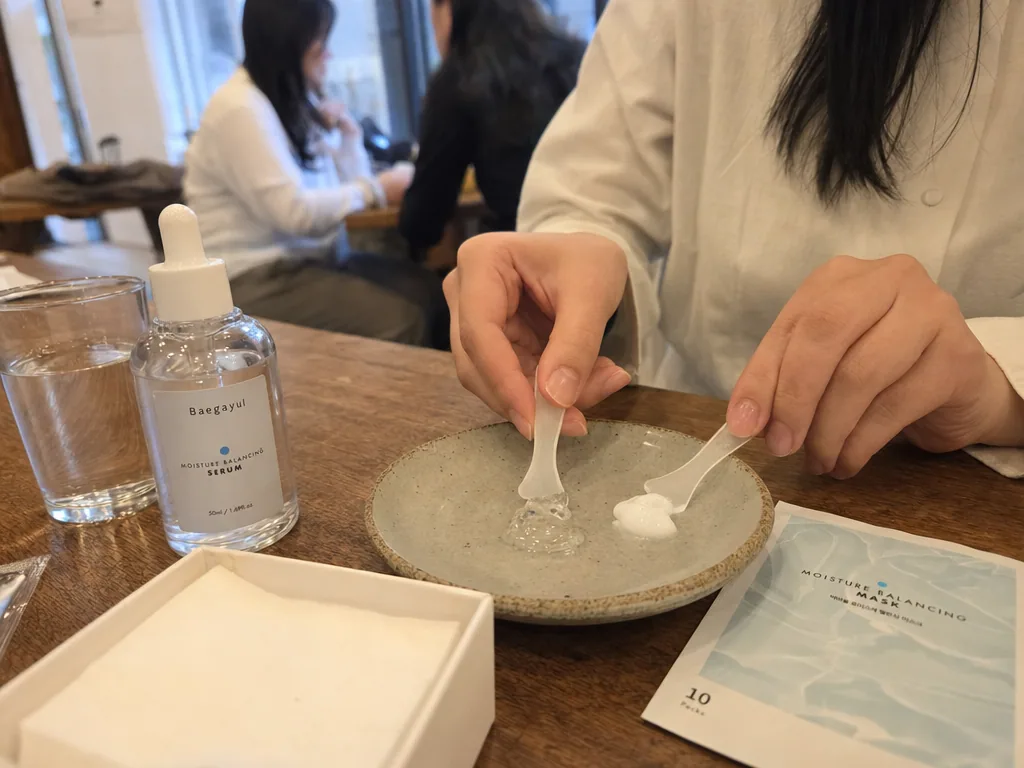
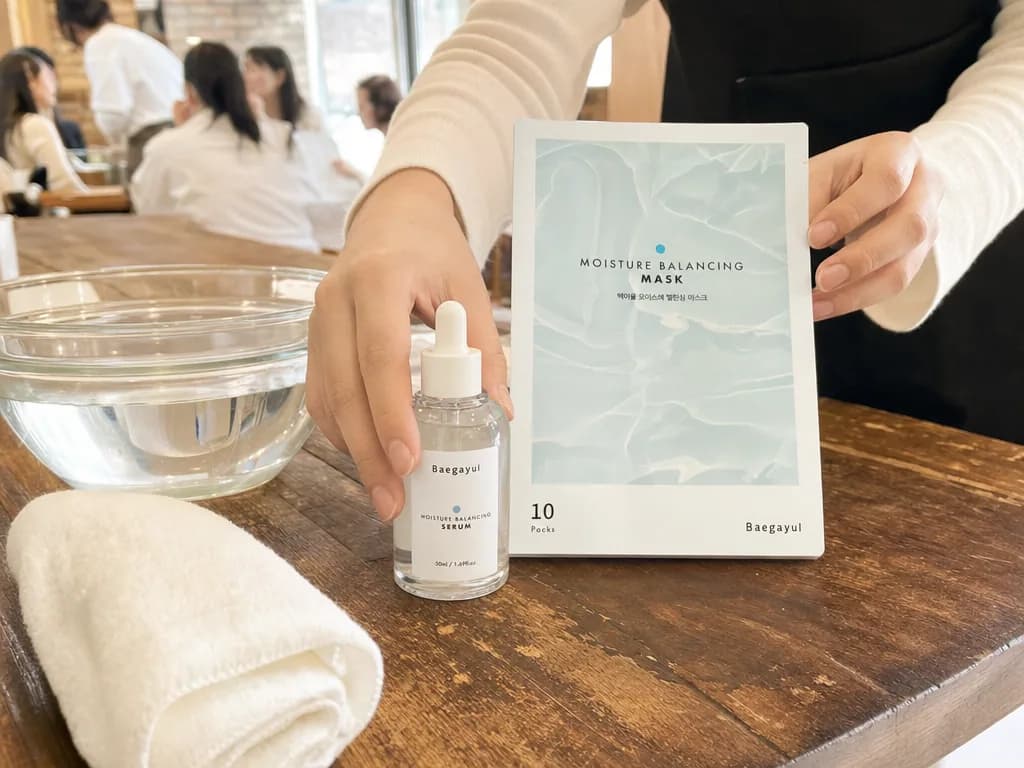
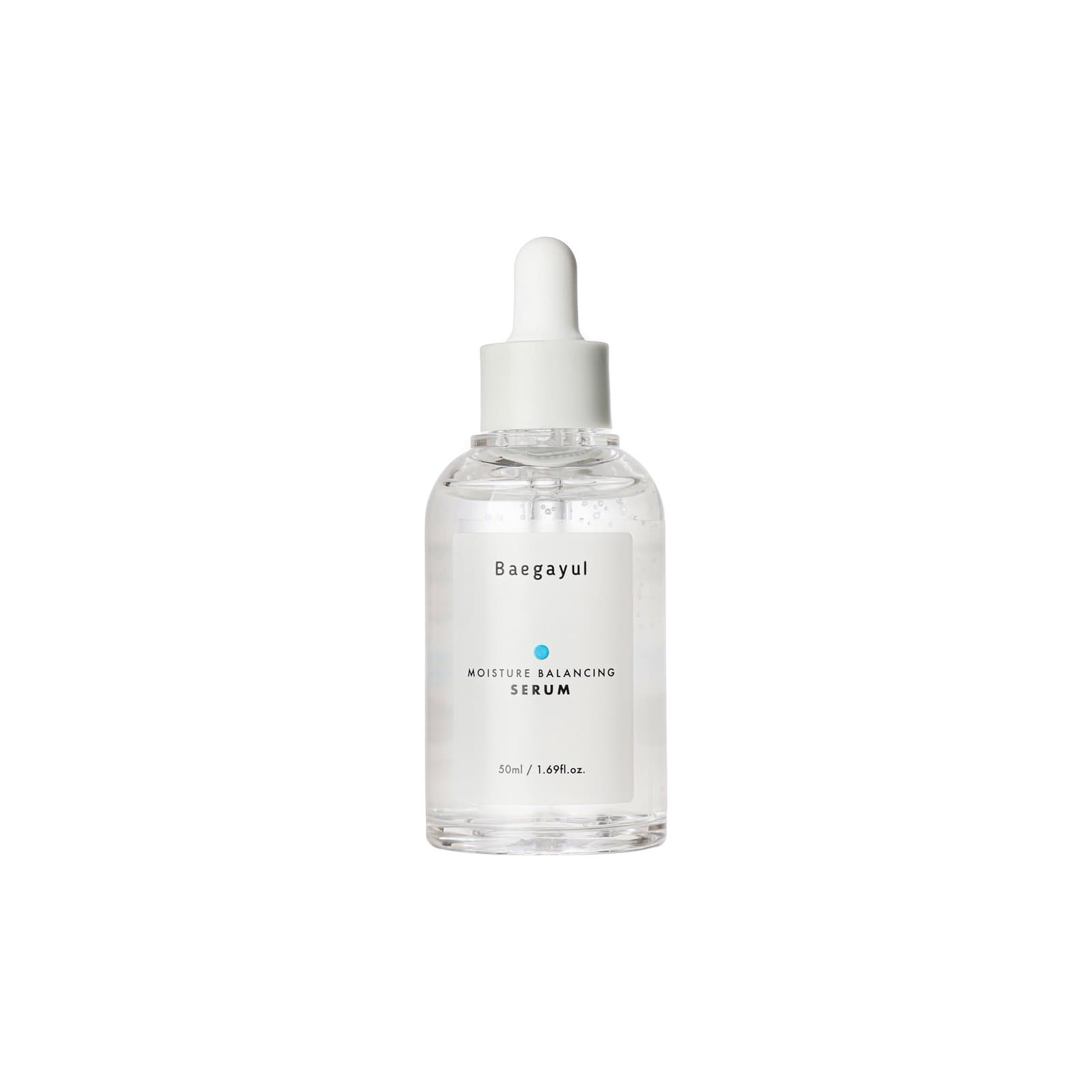
Baegayul's published ingredient information names Centella asiatica. That does not specify an amount of madecassoside. A plant extract on a label does not establish a known amount of any single compound in the bottle, and no outcome should be inferred from the name alone. If a brand claims a specific compound at a specific level, the place to confirm that is the brand, not the ingredient list.
- SKIN1004: Probio-Cica Enrich Cream product page Brand naming and ingredient list only: a cica-branded product declaring Centella Asiatica Extract. Not an endorsement or a comparison.
- PubMed: analytical isolation of constituents from Centella asiatica Original analytical research on compounds isolated from the plant, cited for the chemical relationship only. Not a clinical skincare trial.
- La Roche-Posay: Cicaplast Balm B5 product page A manufacturer's ingredient-naming example that describes madecassoside; no therapeutic claim from that page is imported here.
What a list can and cannot tell you about amounts: Can you tell ingredient percentages from a skincare label?
Another front-of-pack word to read carefully: Fragrance-free vs. unscented skincare: how to read the label
Our own current label: Baegayul Moisture Balancing Serum
This article is intended for general education about skincare and cosmetic ingredients. It is not medical advice and does not diagnose or treat any condition. If a concern persists or worsens, please consult a licensed dermatologist.